Ergotron Monitor Wall Mounts for Flexible Workspaces
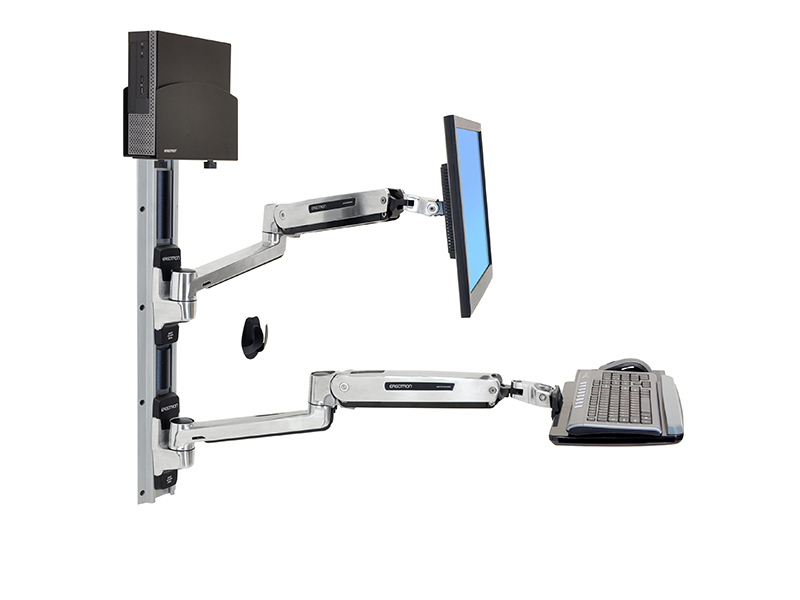
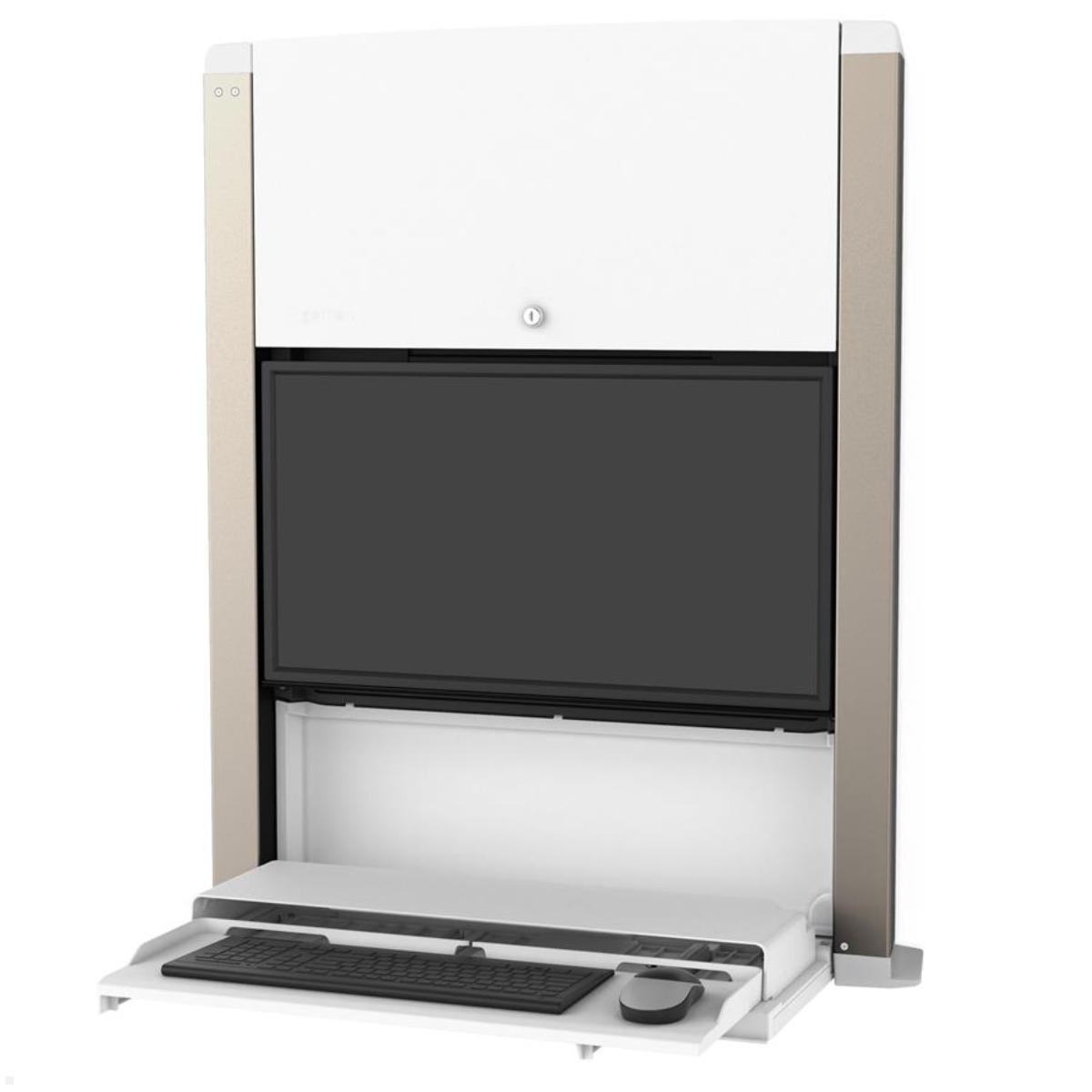
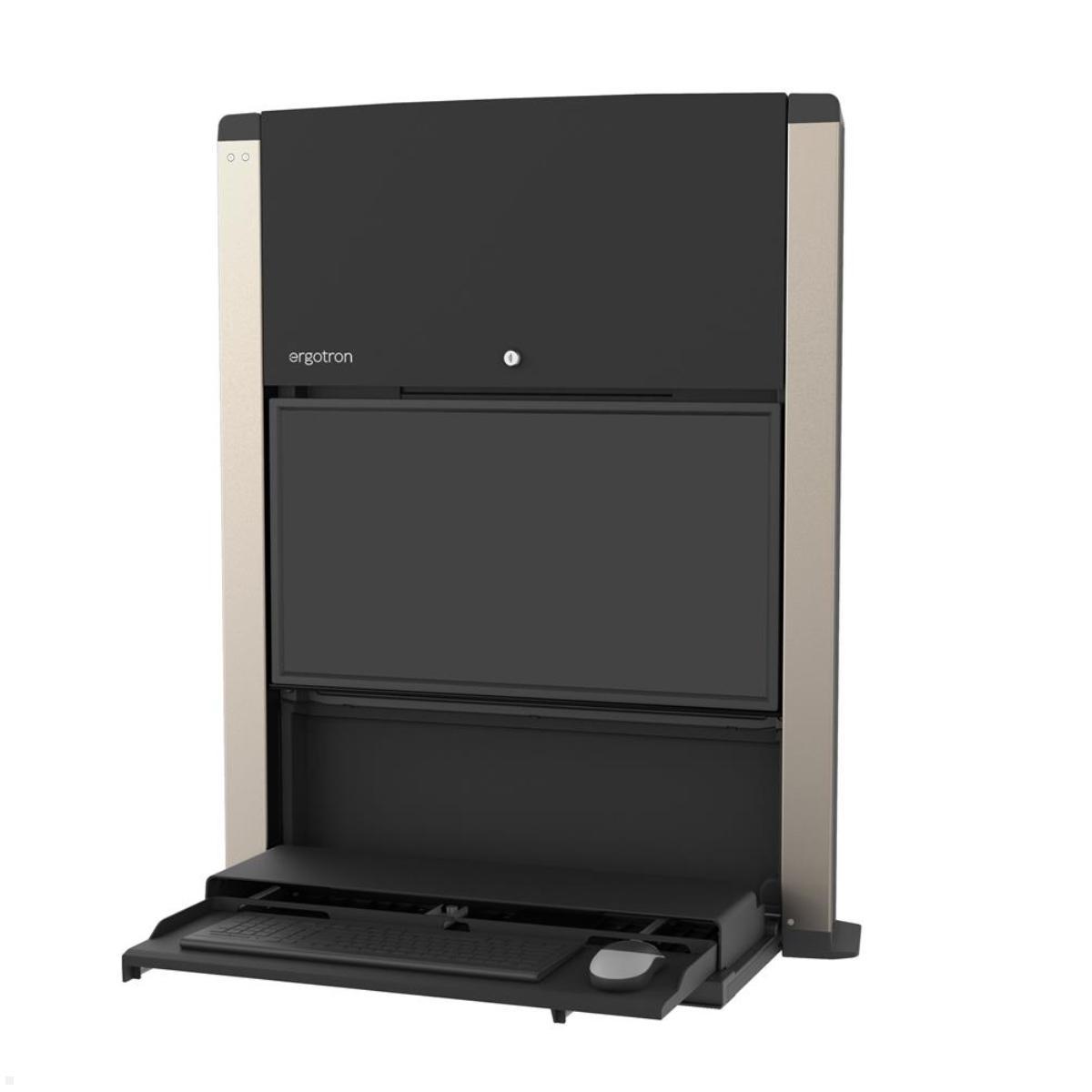
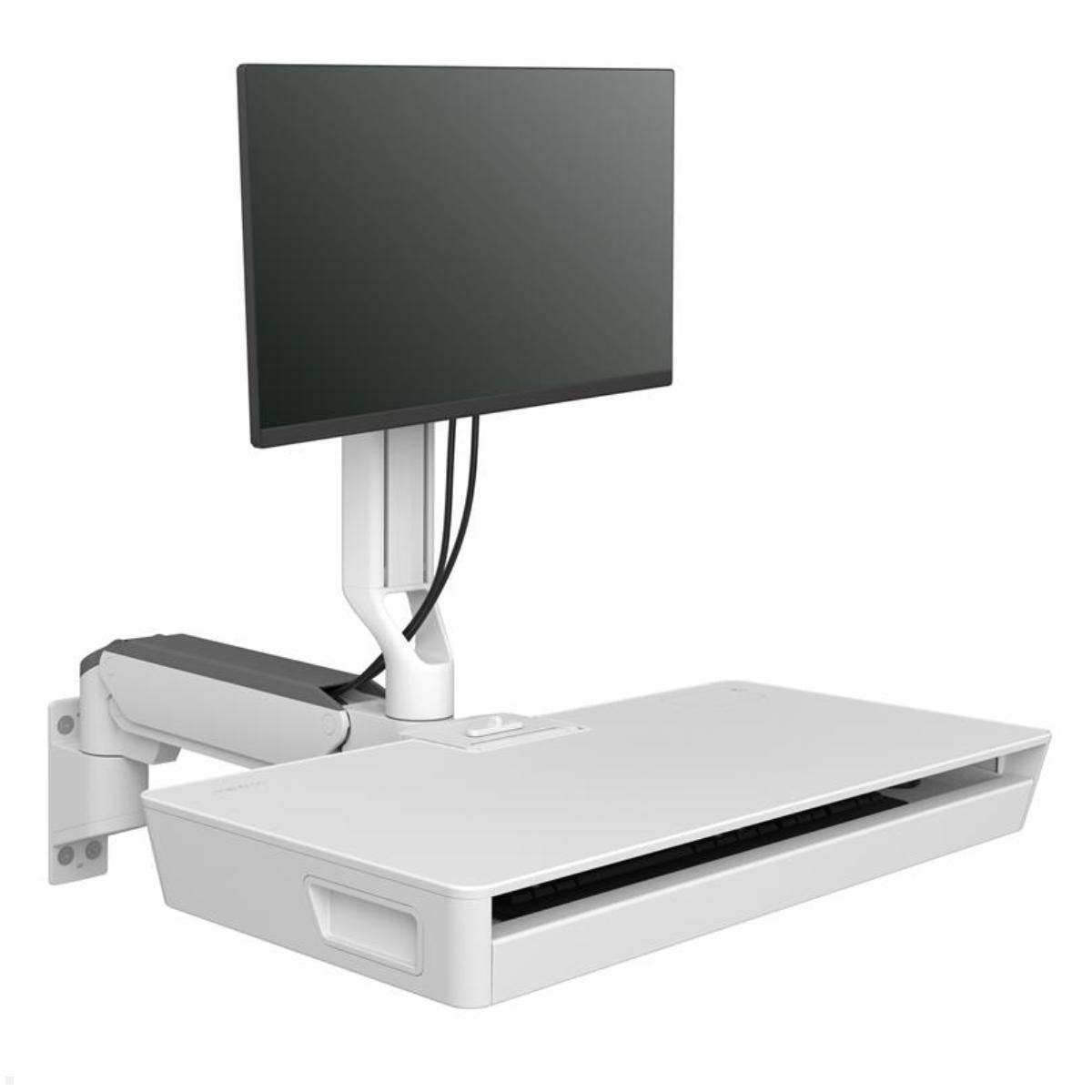
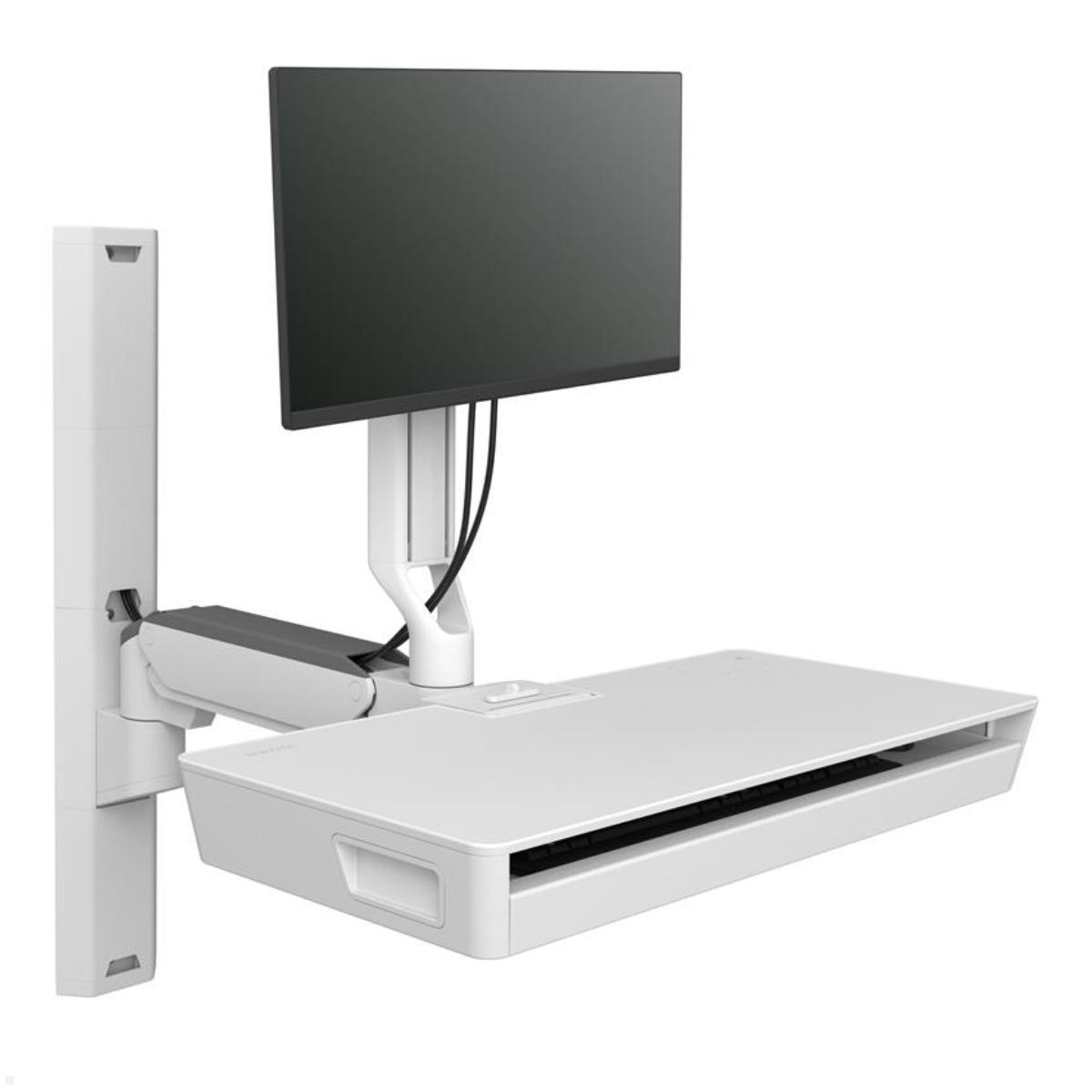
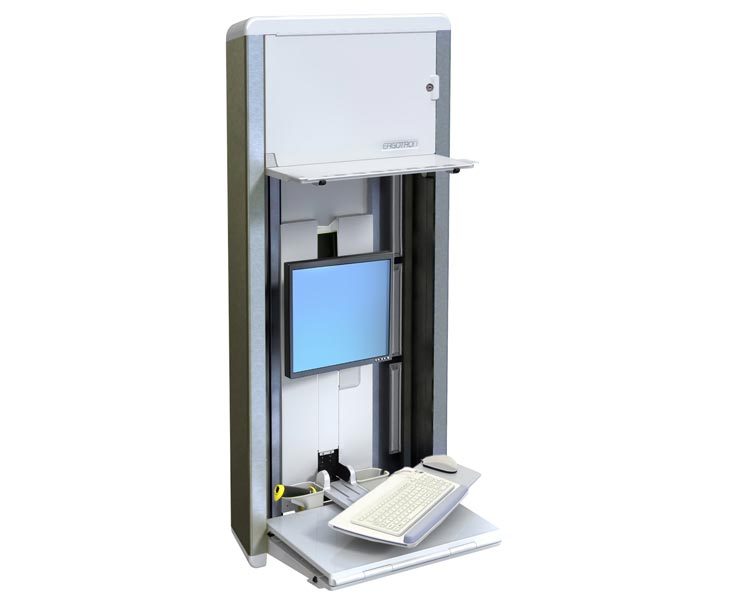
Ergotron monitor wall mounts allow displays to be attached directly to a suitable wall. They free up desktop space and provide an alternative to conventional desk-mounted monitor solutions. Depending on the configuration, fixed wall mounts, articulated monitor arms and height-adjustable systems are available for different requirements.
A wall mount is suitable for offices, home workspaces, technical working environments and other locations where space-saving monitor installation is required. The display is attached independently of the desk and can be positioned flexibly, depending on the design.
Monitor dimensions, display weight, VESA compatibility and the load-bearing capacity of the intended wall are essential selection criteria.
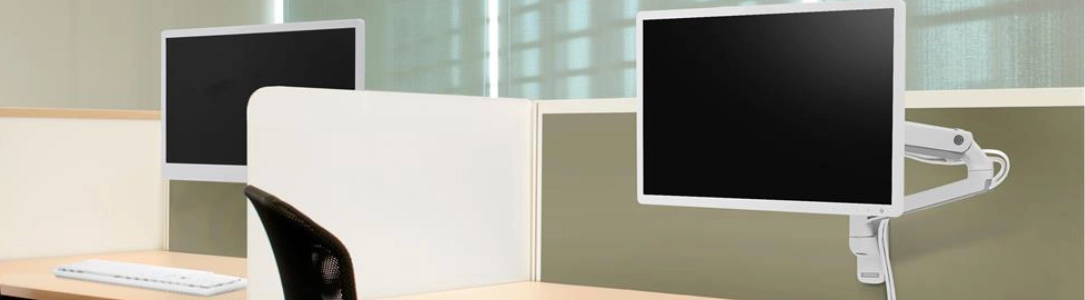
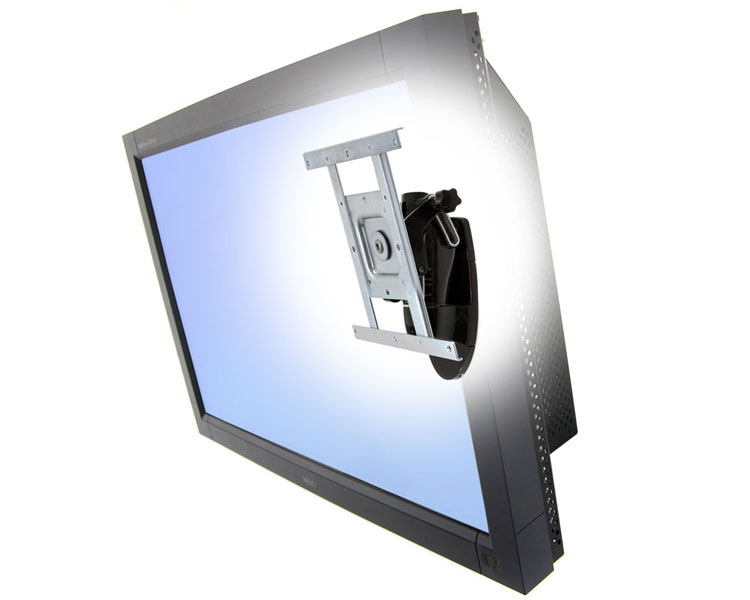
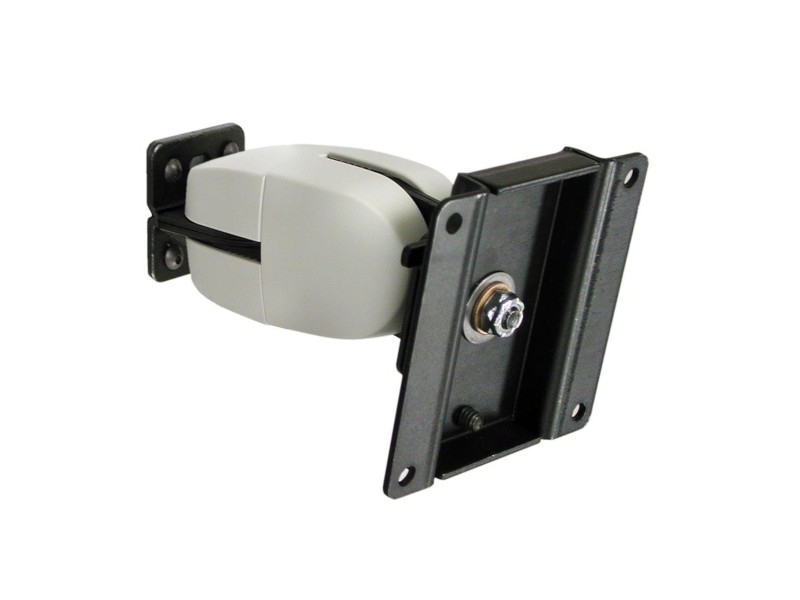
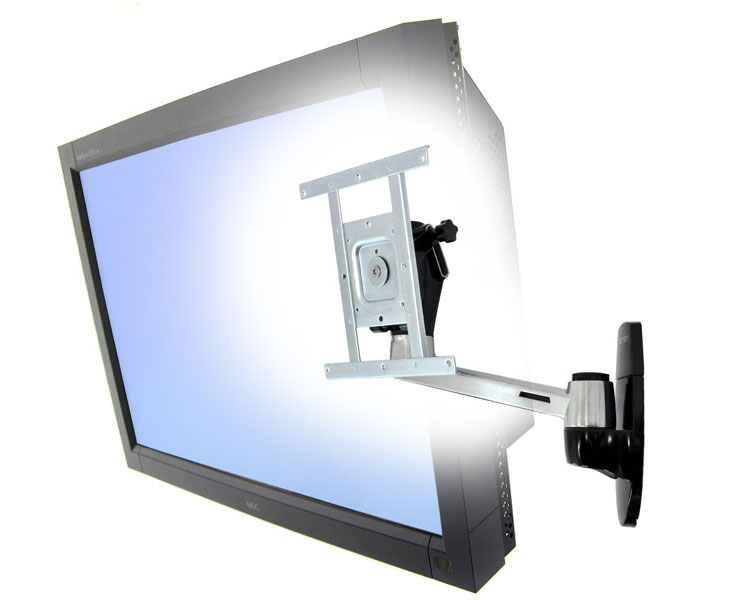
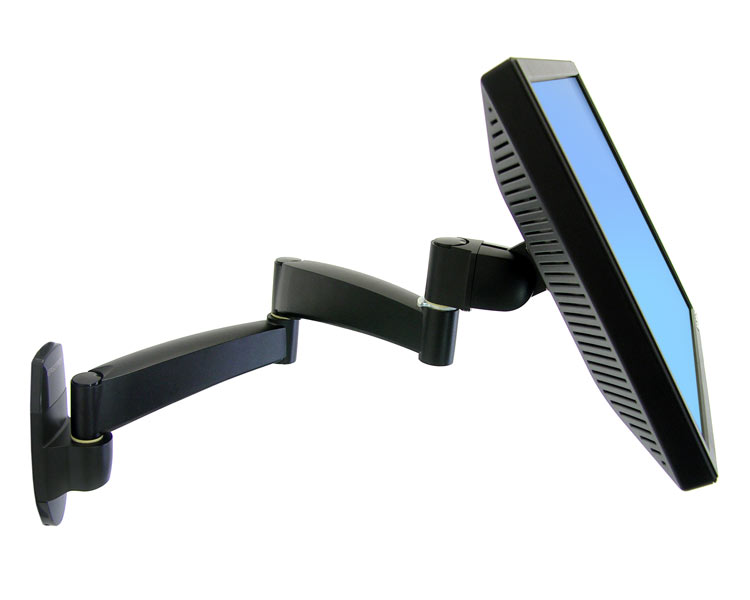
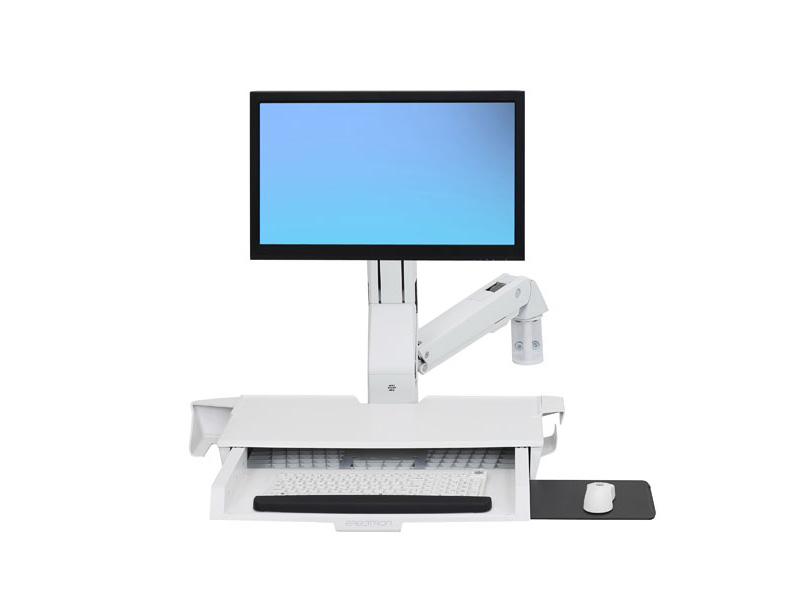
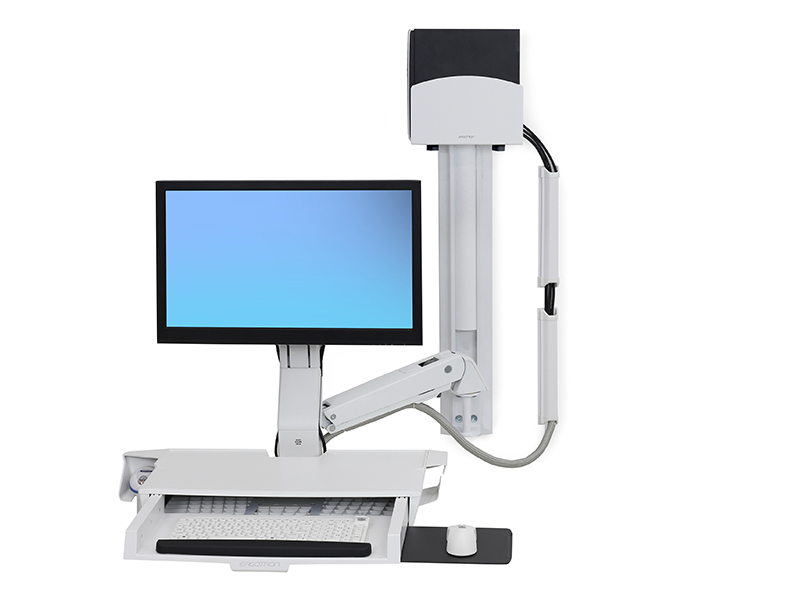
Articulated monitor arms for wall mounting
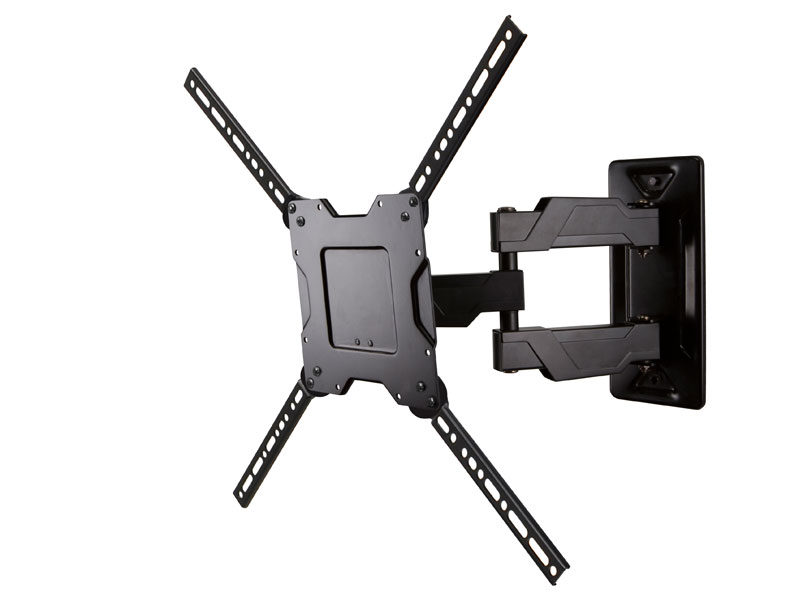
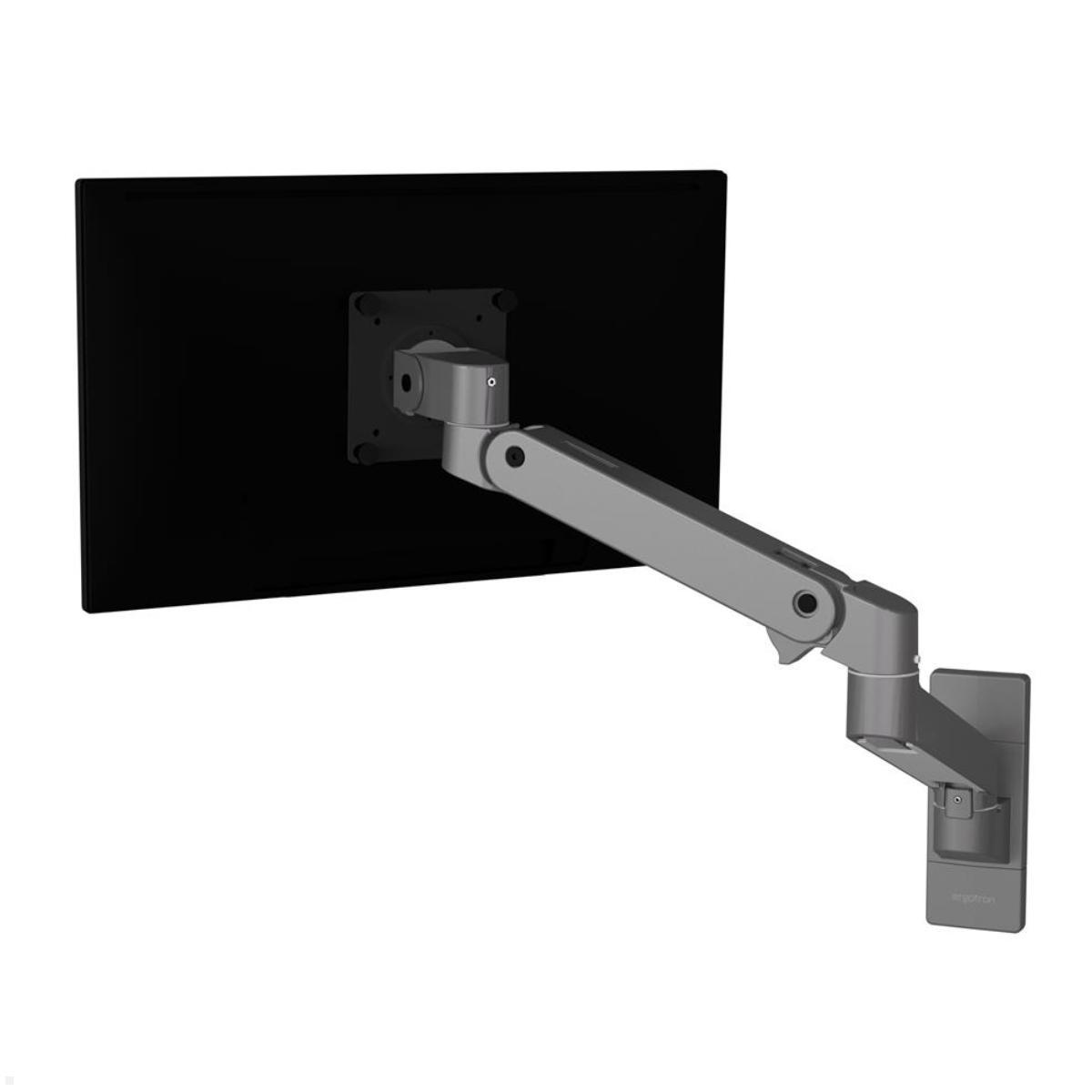
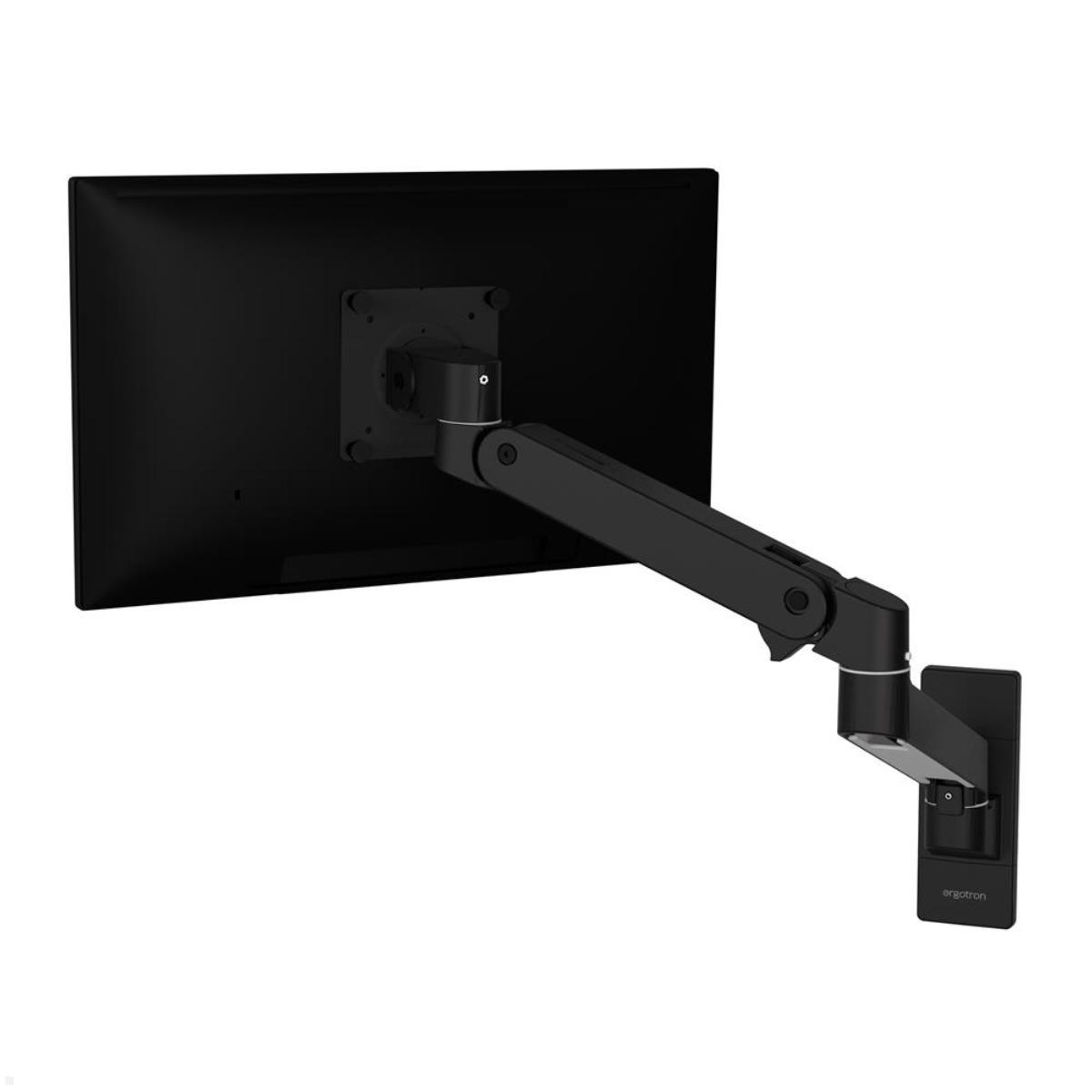
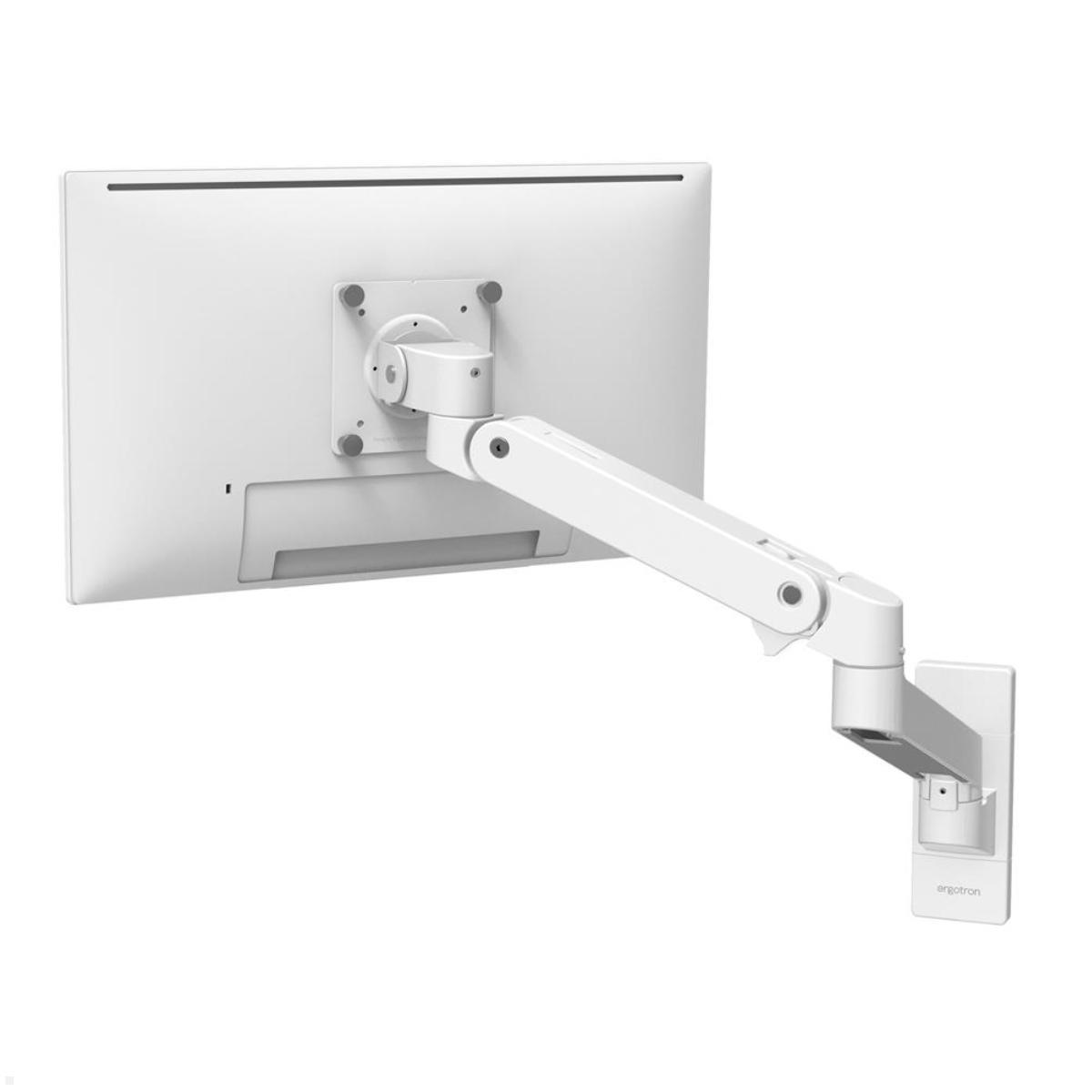
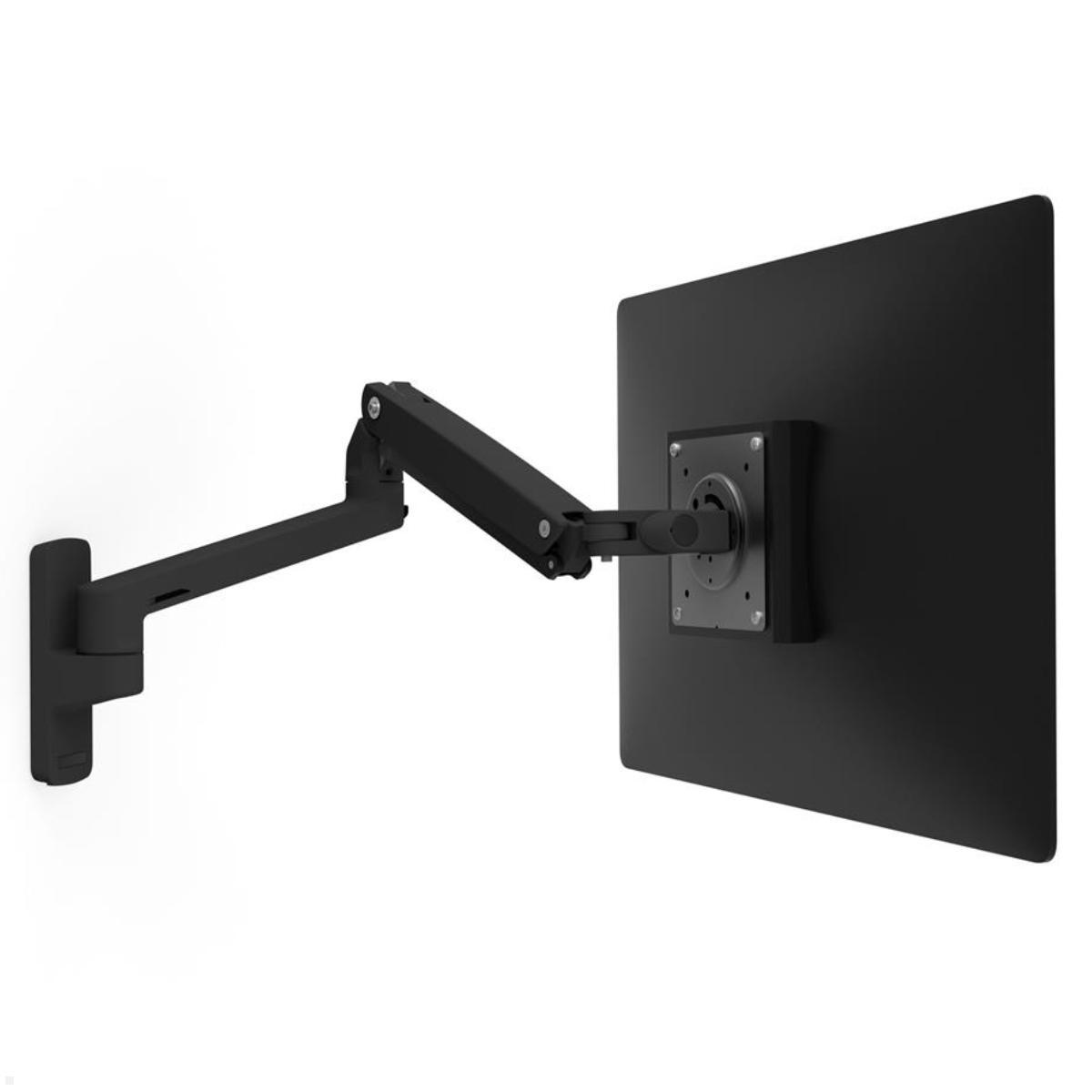
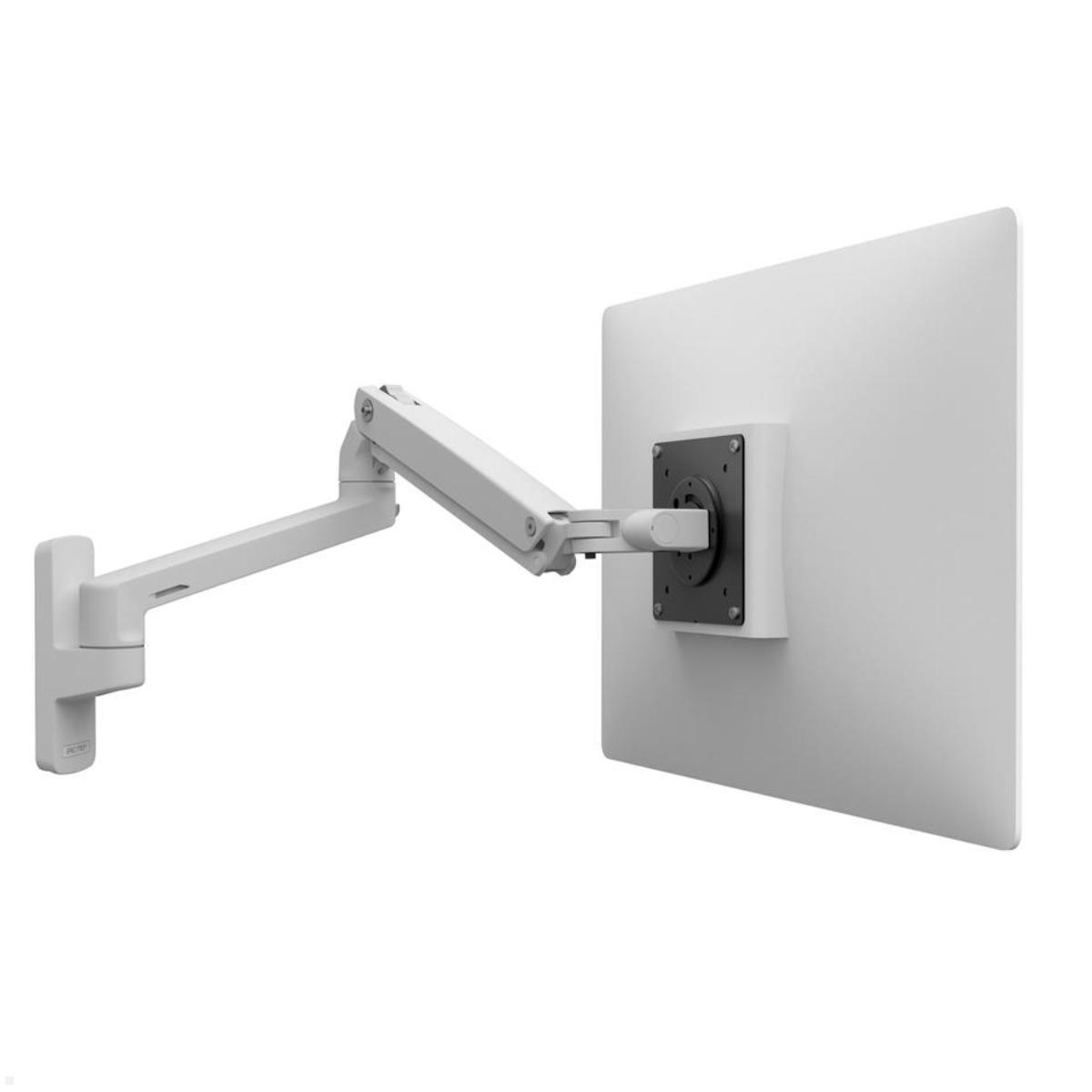
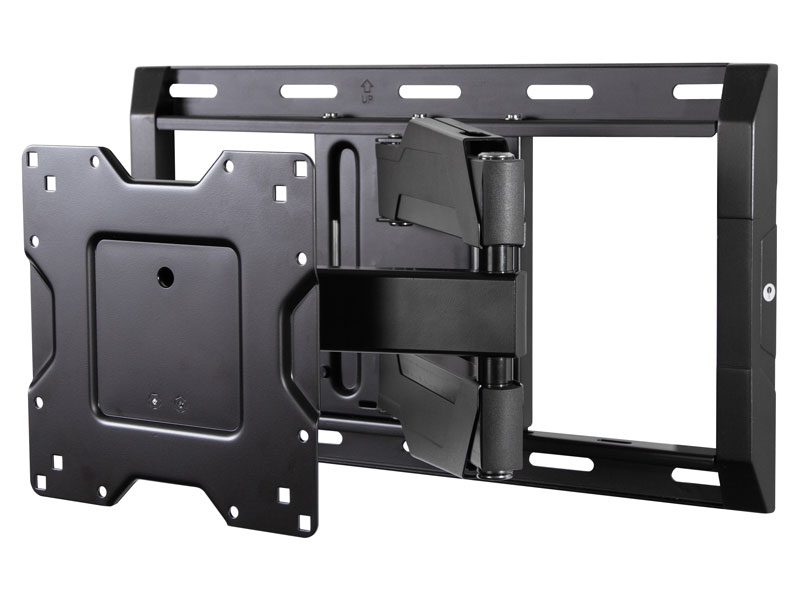
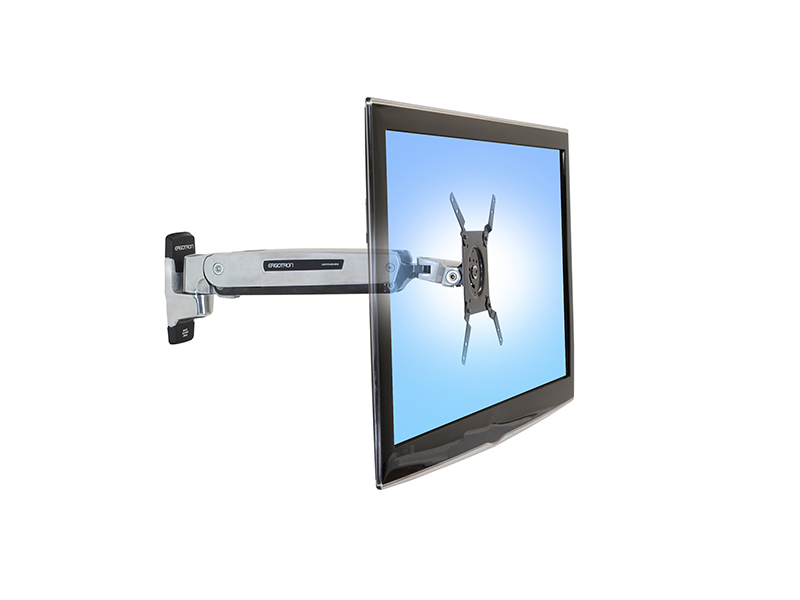
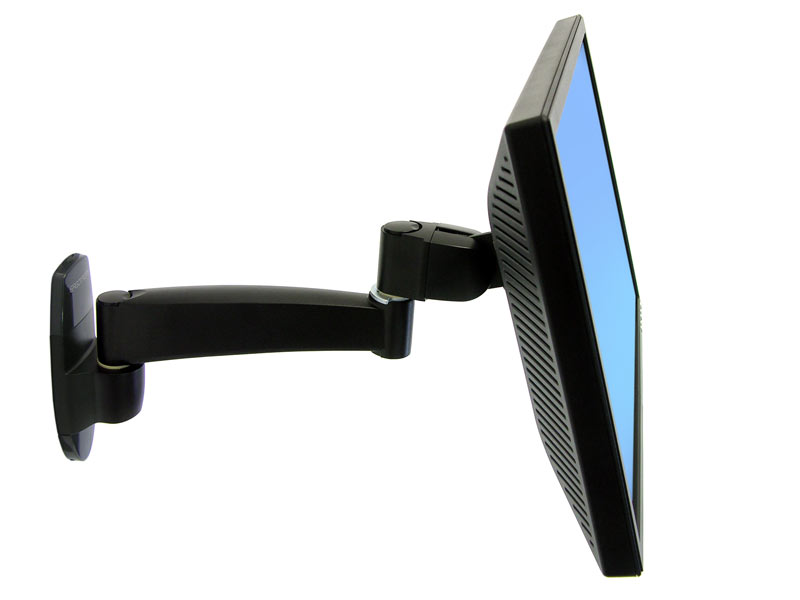
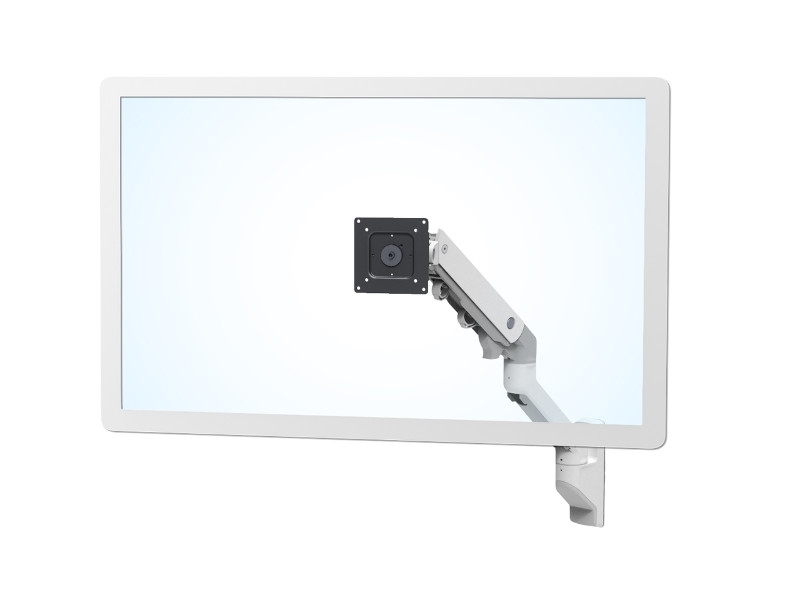
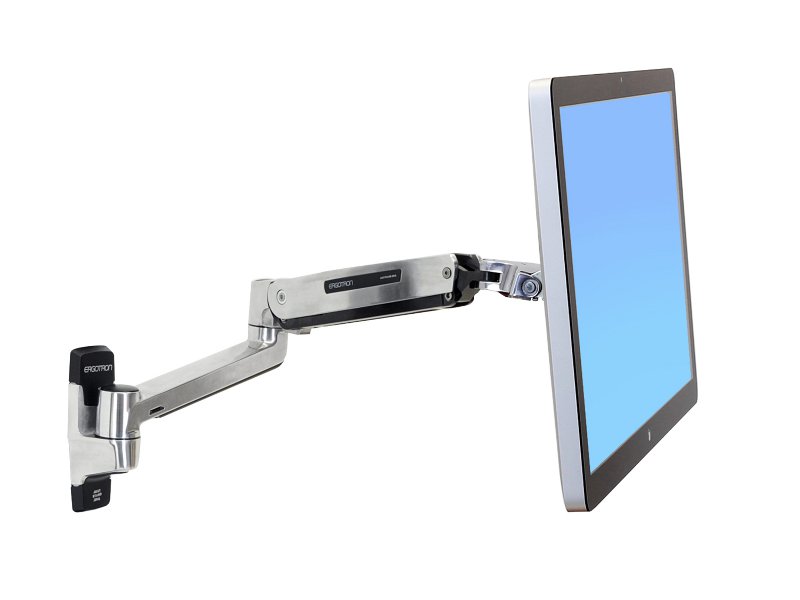
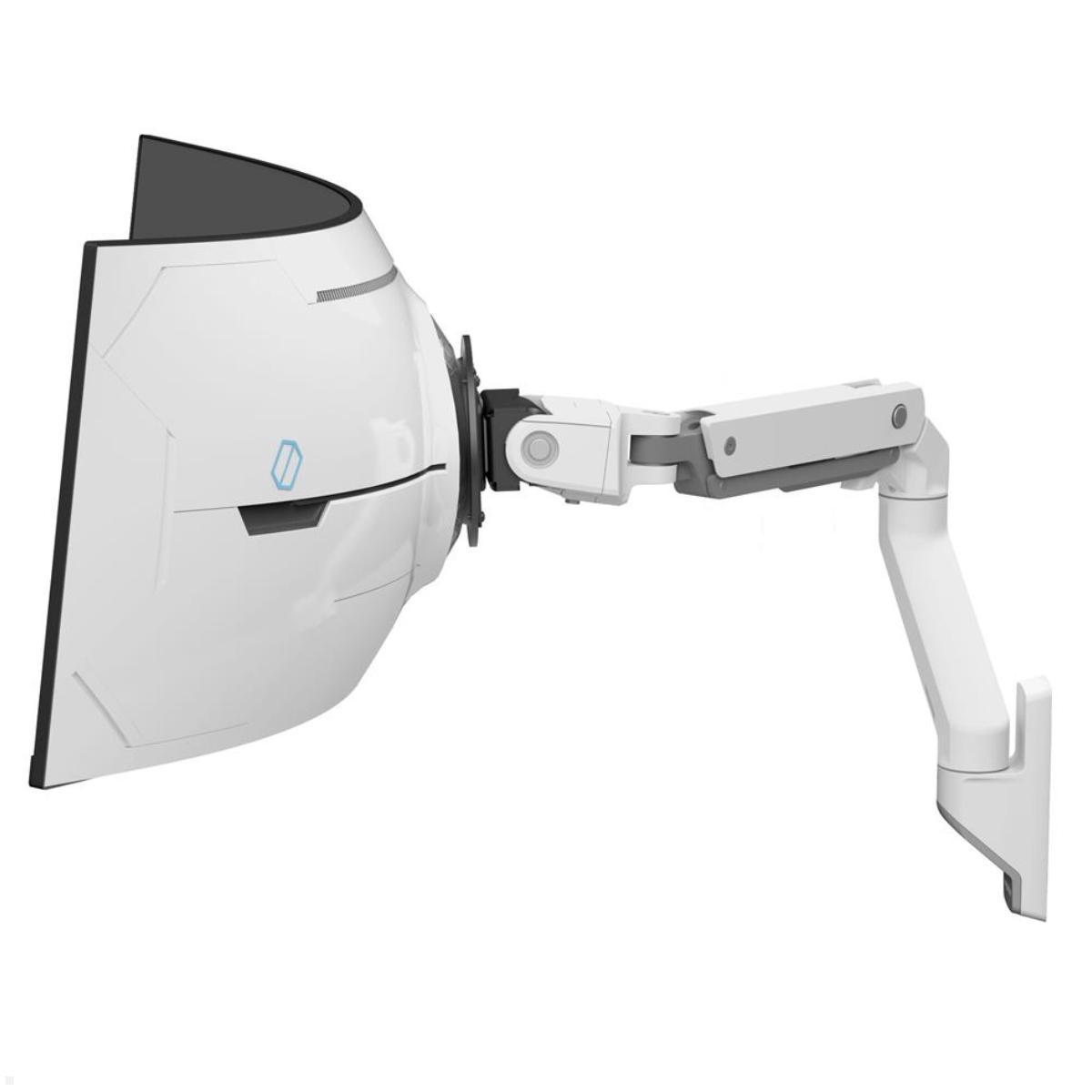
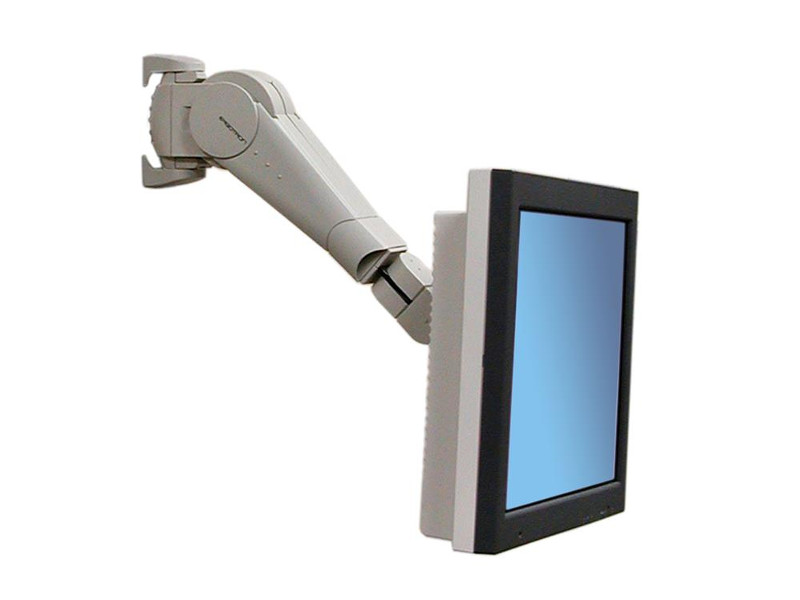
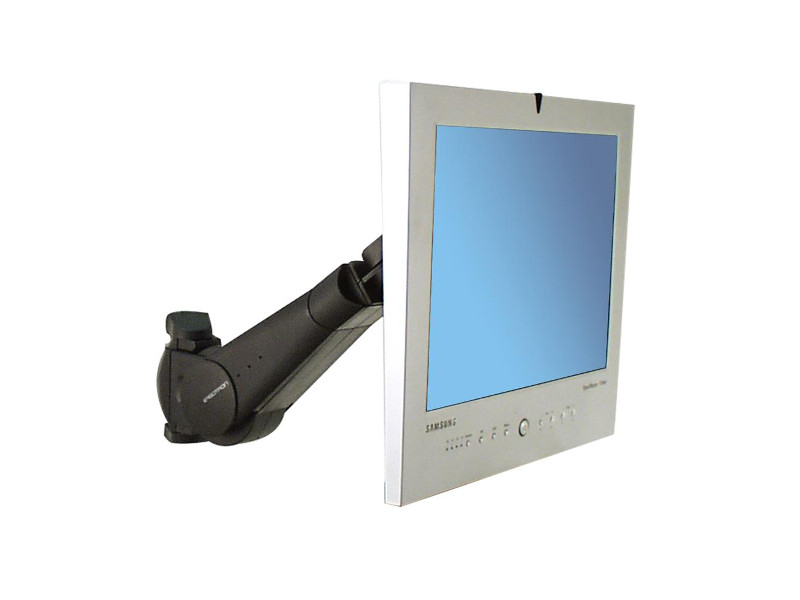
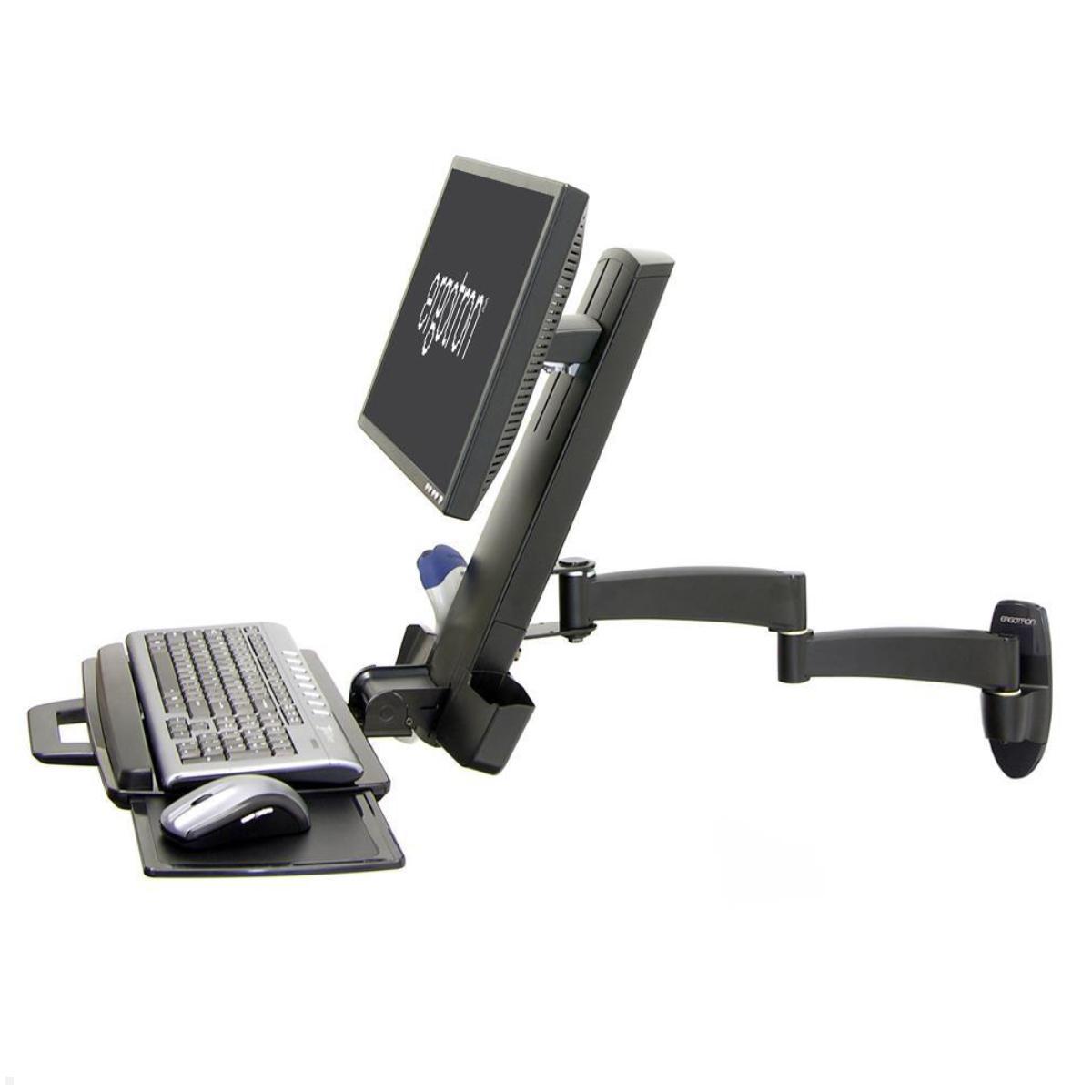
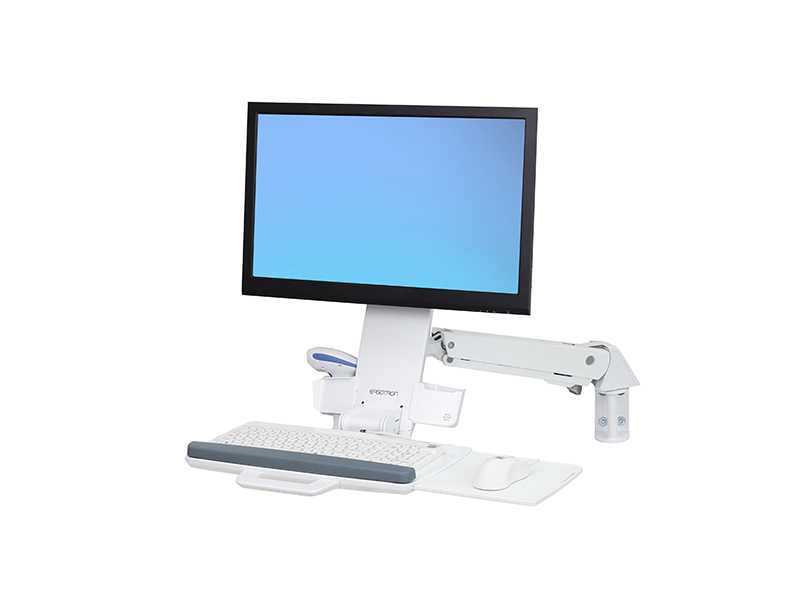
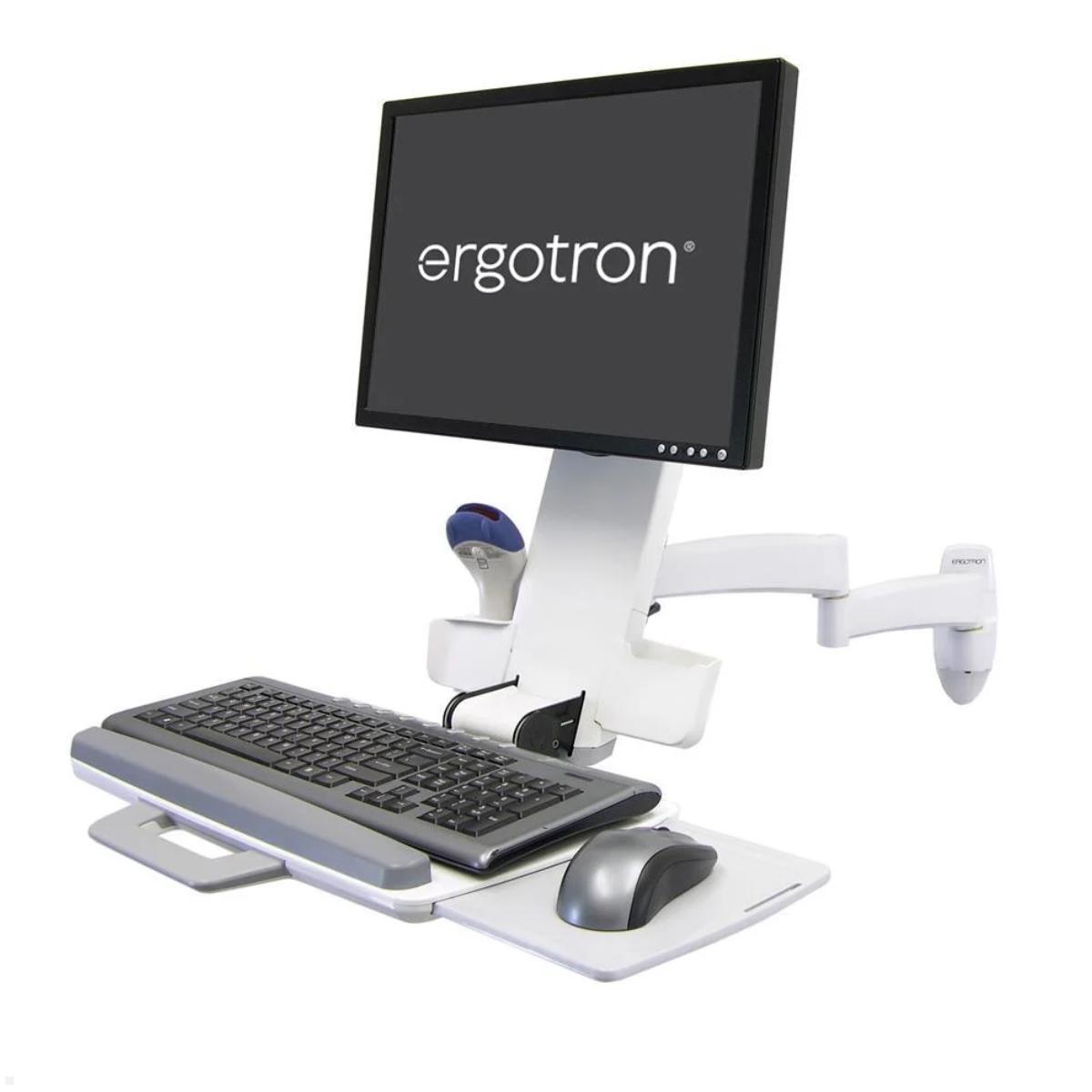
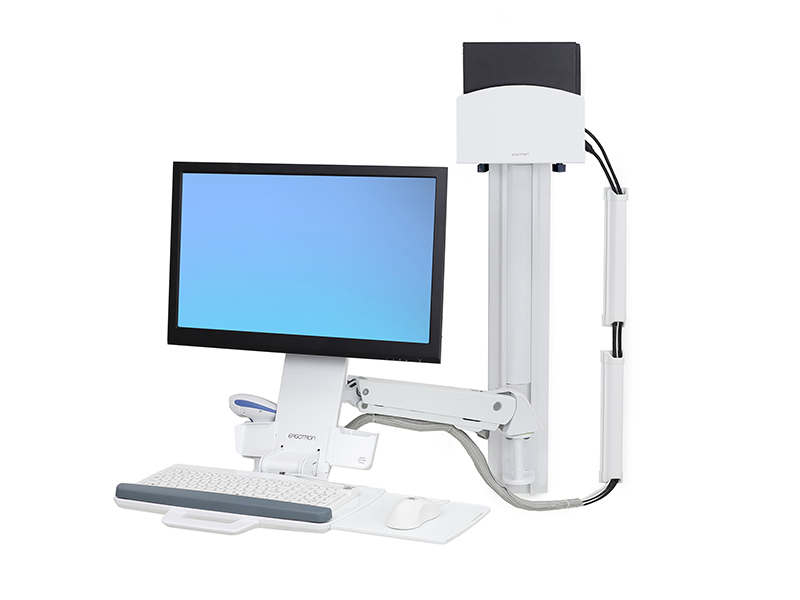
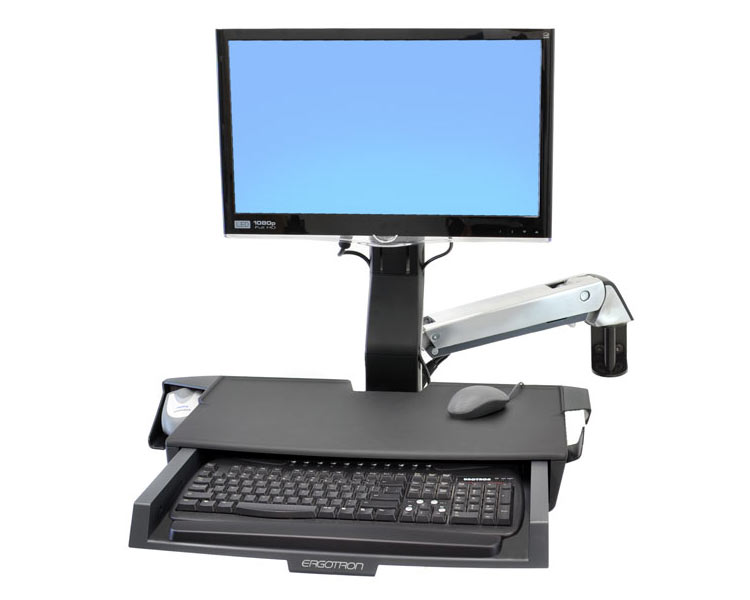
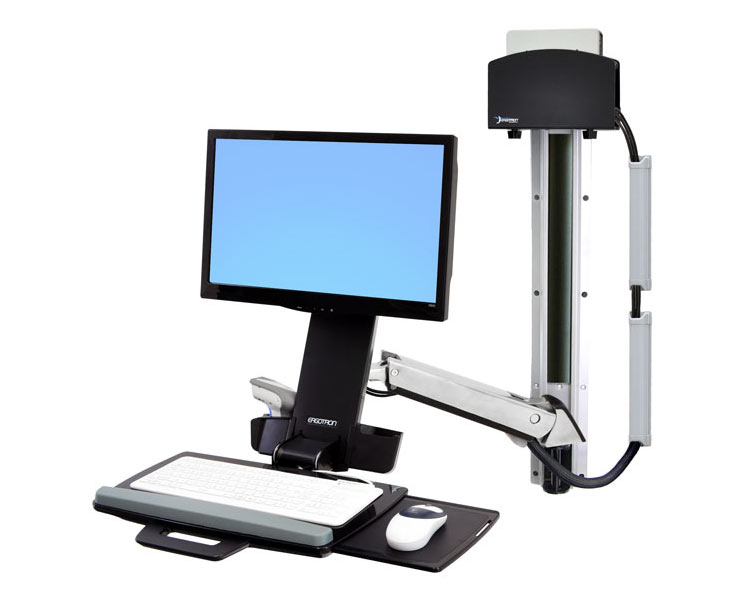
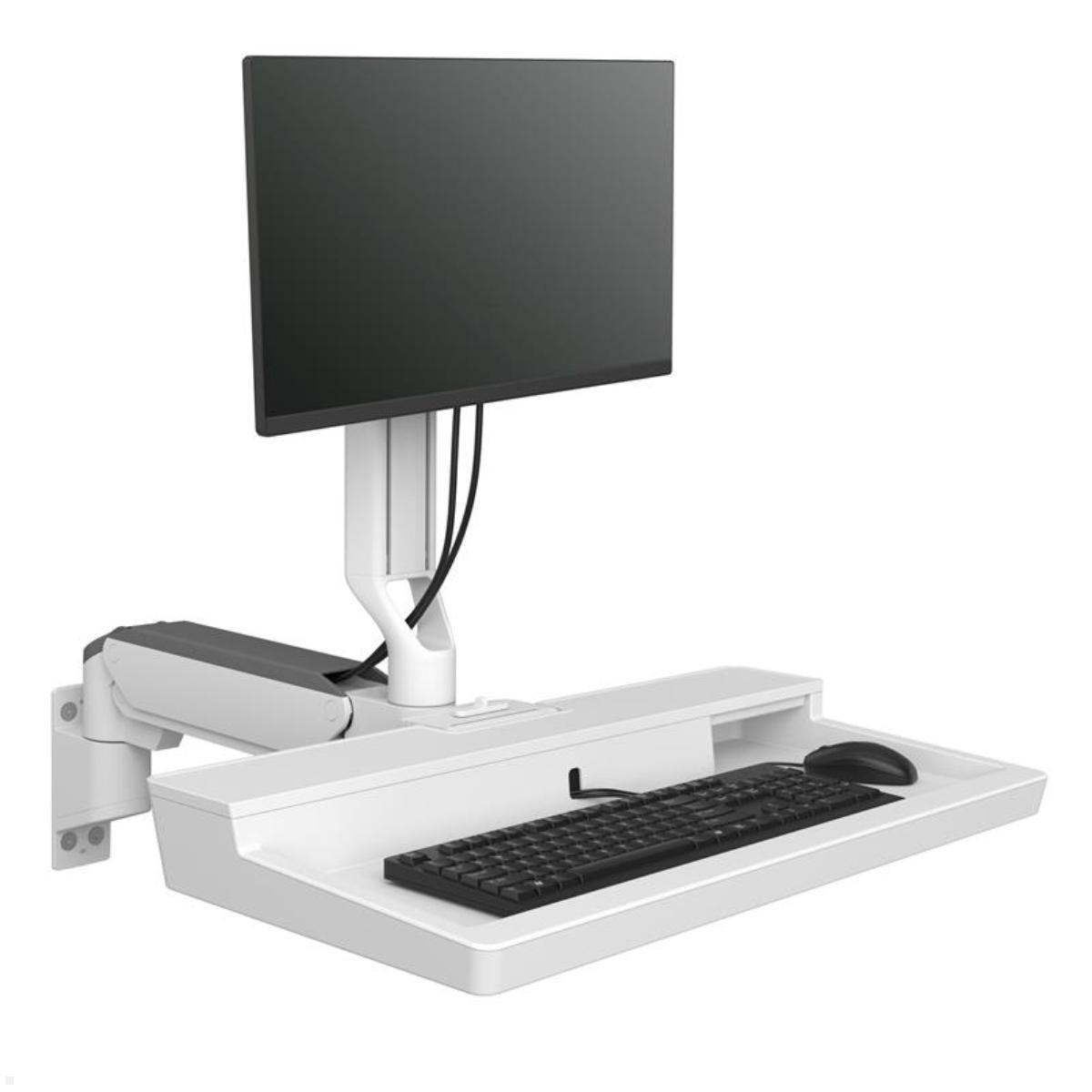
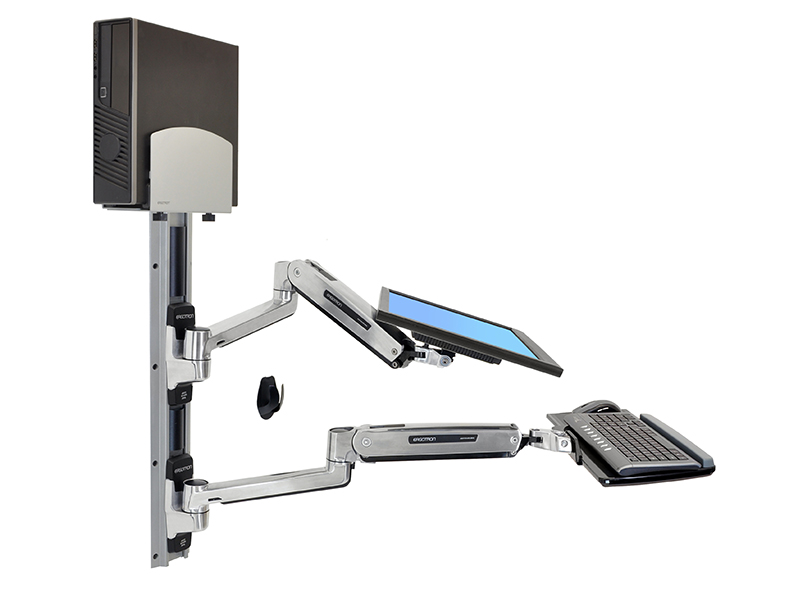
An articulated wall-mounted monitor arm allows a display to be positioned flexibly. Depending on the model, the screen can be extended away from the wall, swivelled, tilted or rotated.
A monitor arm is particularly useful at workstations where the screen position needs to be adjusted regularly. Flexible positioning can also be beneficial for shared workspaces and different seated positions.
Available movement ranges vary between designs. Before choosing a system, it is important to check the required extension distance and swivel range.
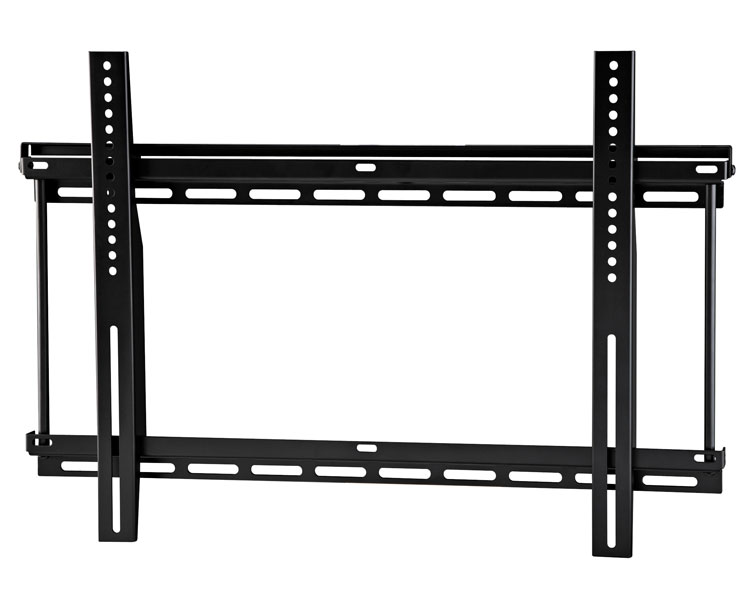
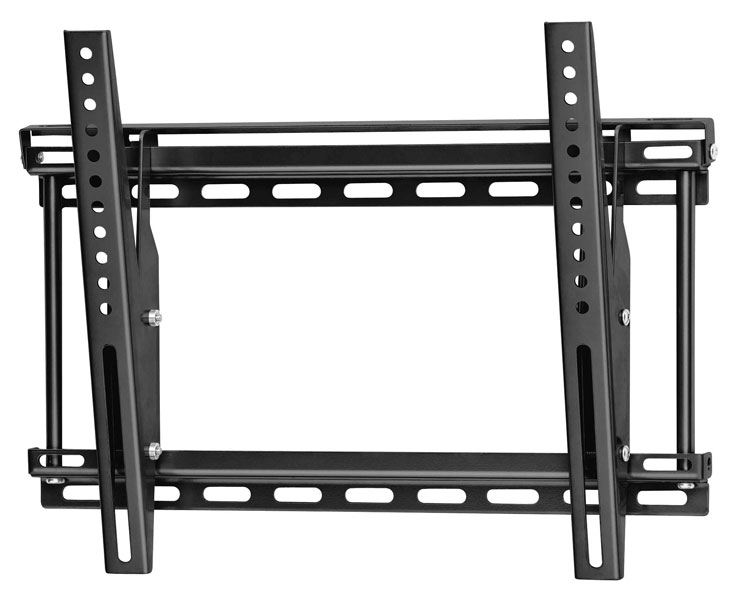
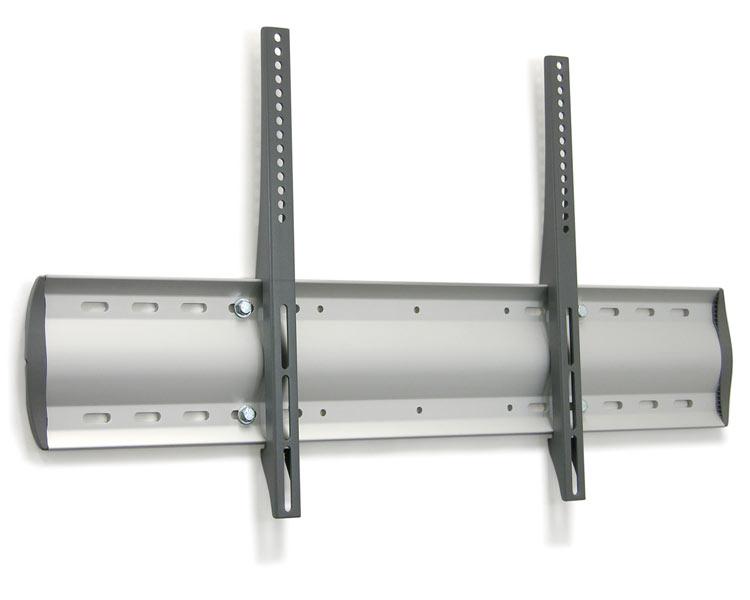
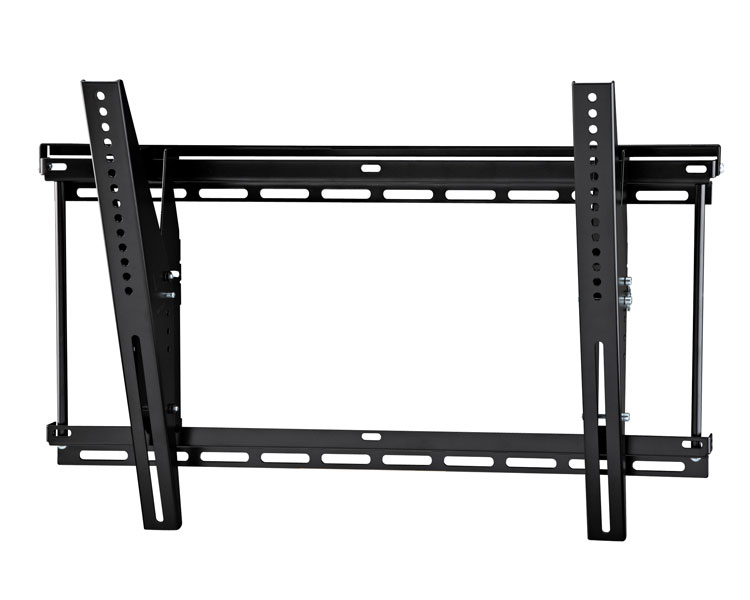
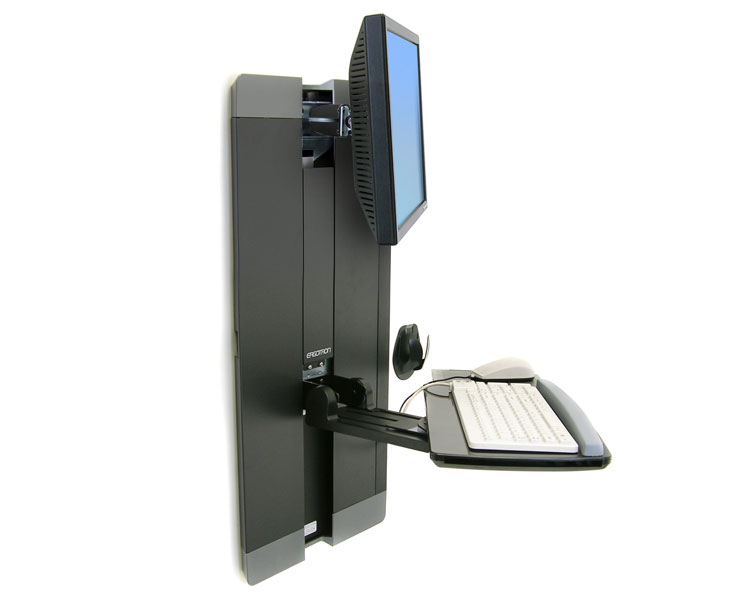
Low-profile monitor wall mounts
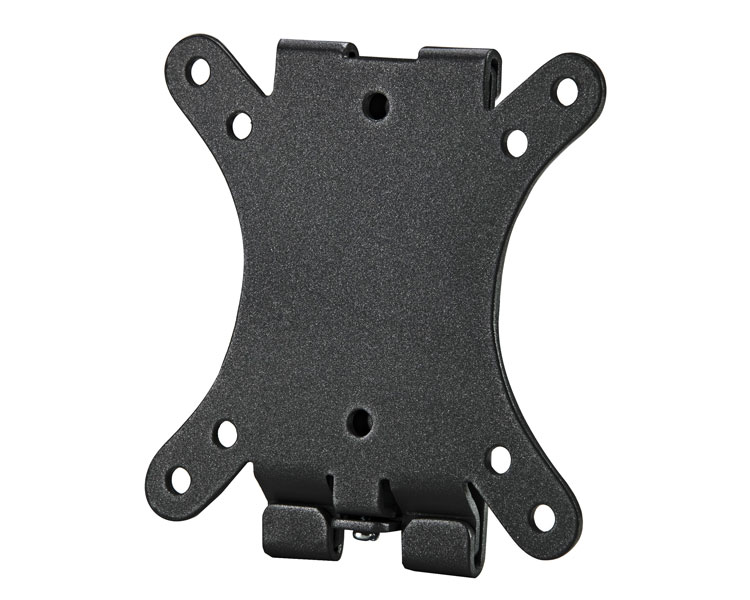
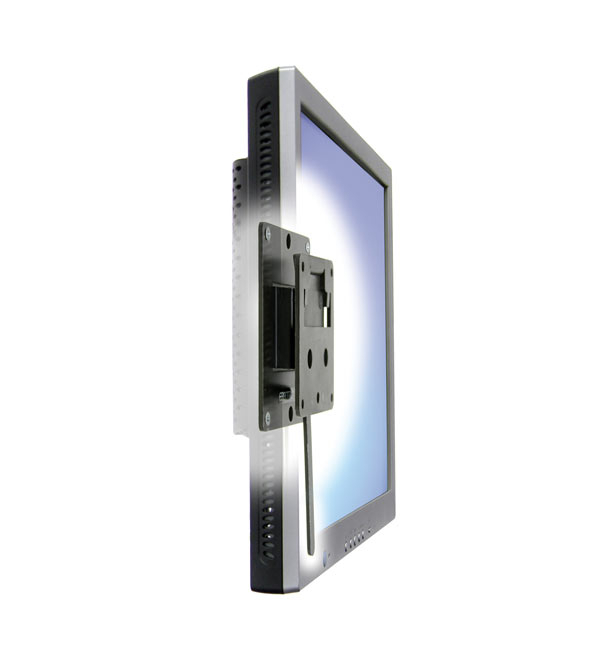
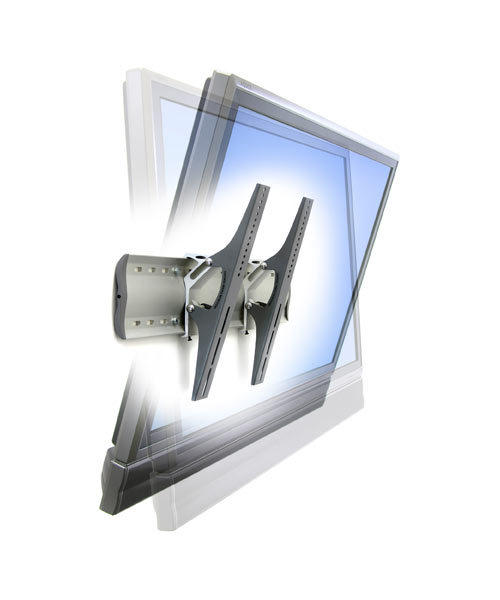
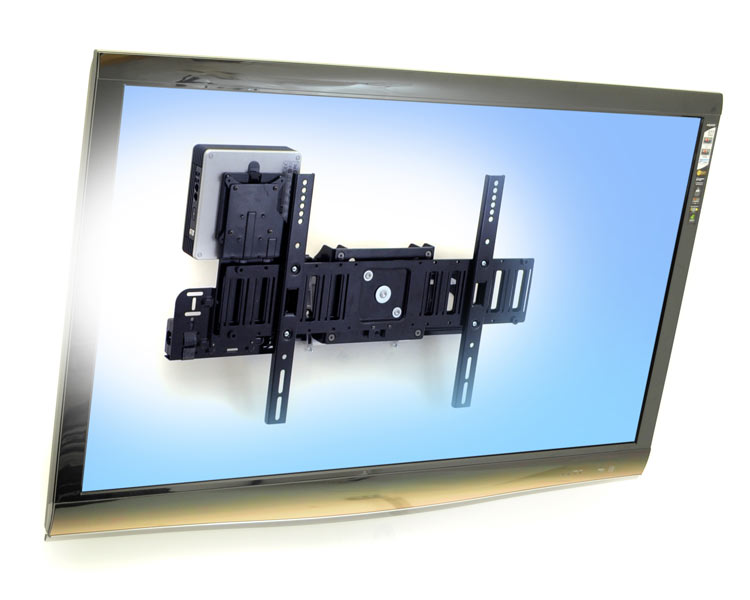
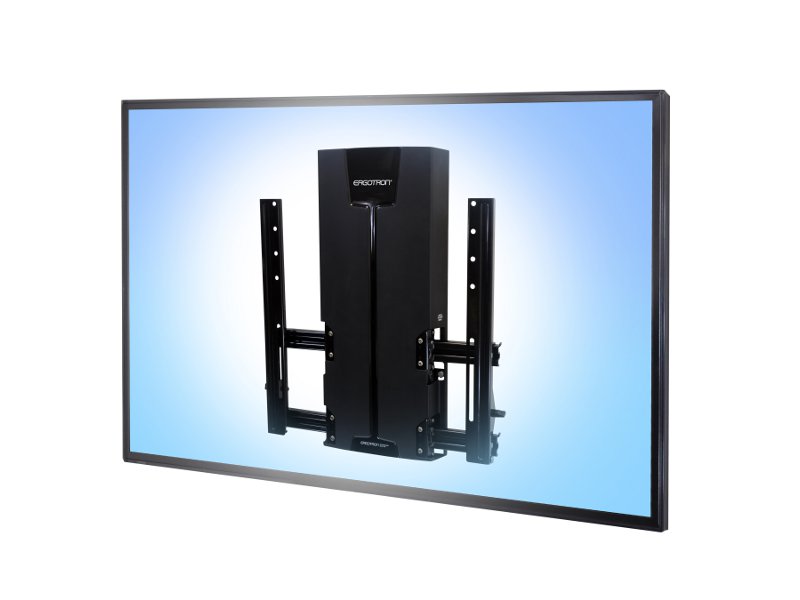
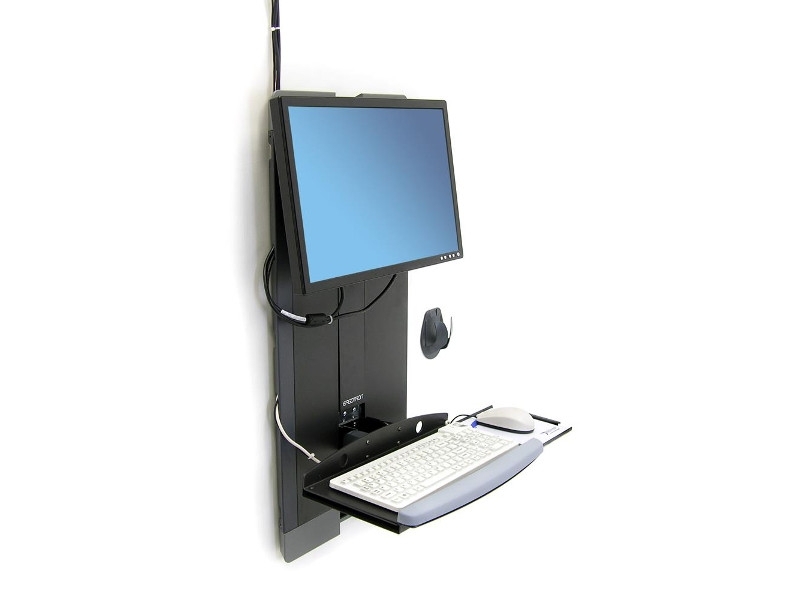
A low-profile monitor wall mount allows a display to be installed close to the wall. This design is suitable for installations where a compact, unobtrusive arrangement is required.
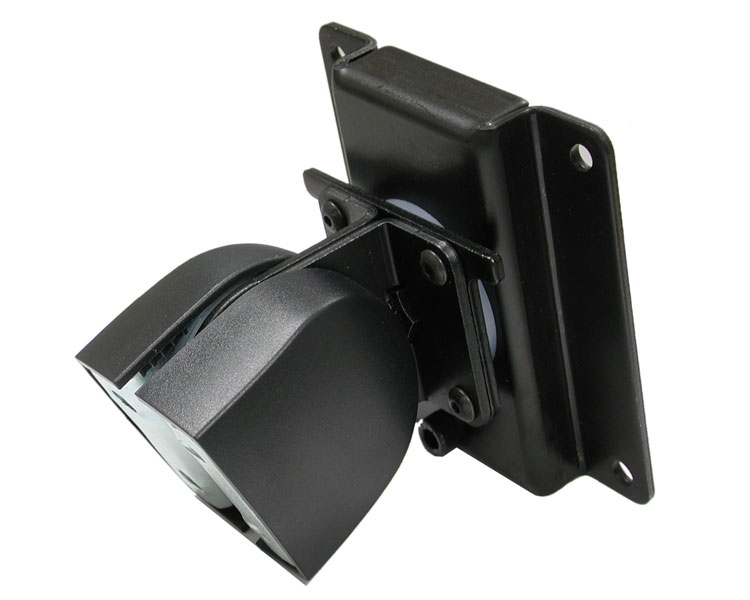
Depending on the configuration, a mount may have a fixed or tilting design. Tilting models allow the viewing angle to be adjusted within the supported range.
Low-profile wall mounts can be suitable for information workstations, meeting rooms and permanently installed displays.
Monitor compatibility, required wall clearance and access to display connections should be considered during selection.
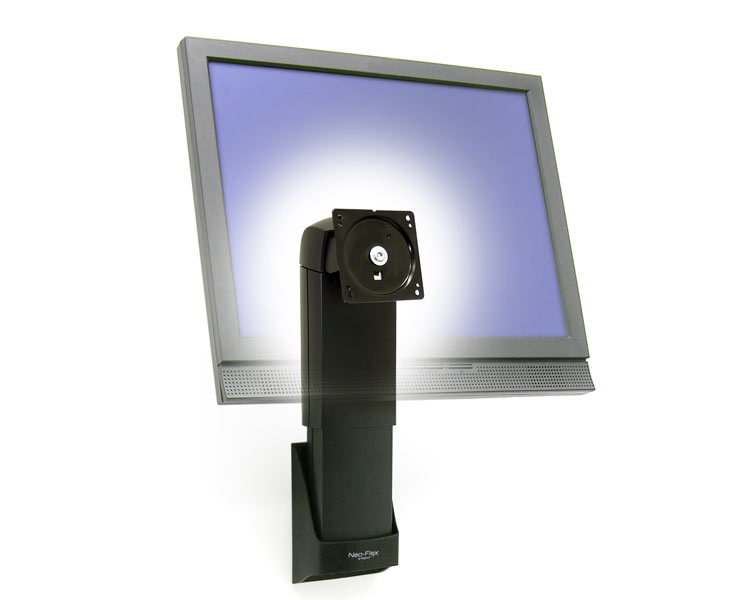
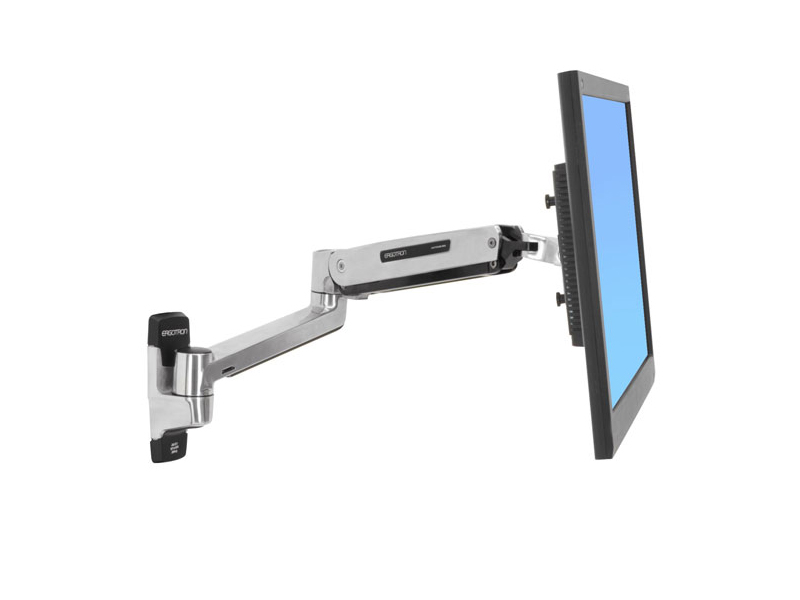
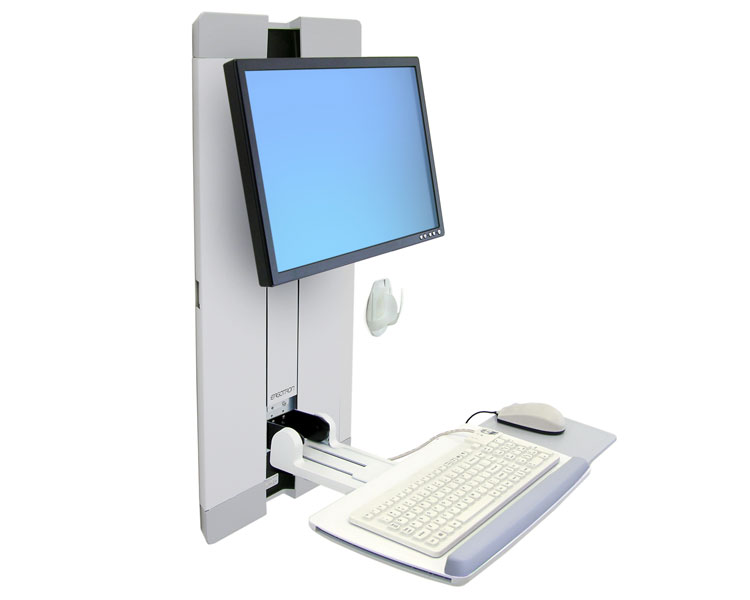
Height-adjustable monitor wall mounts
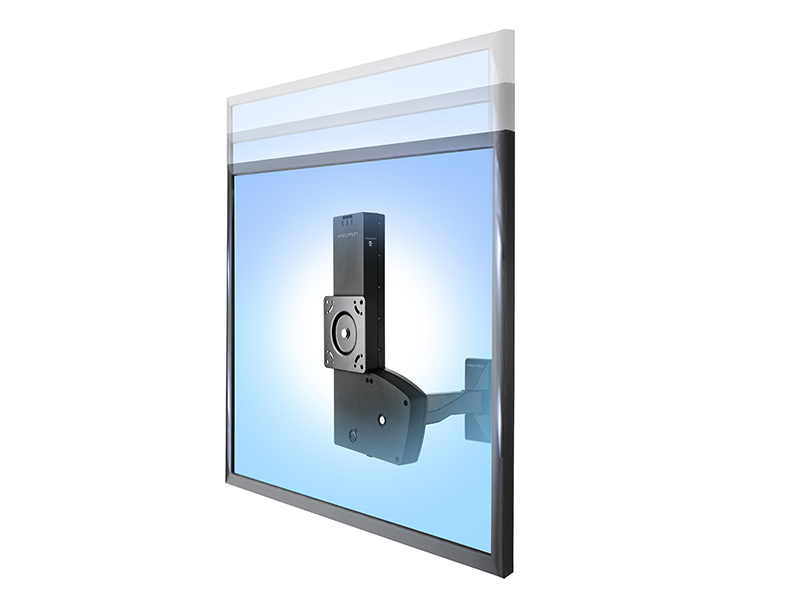
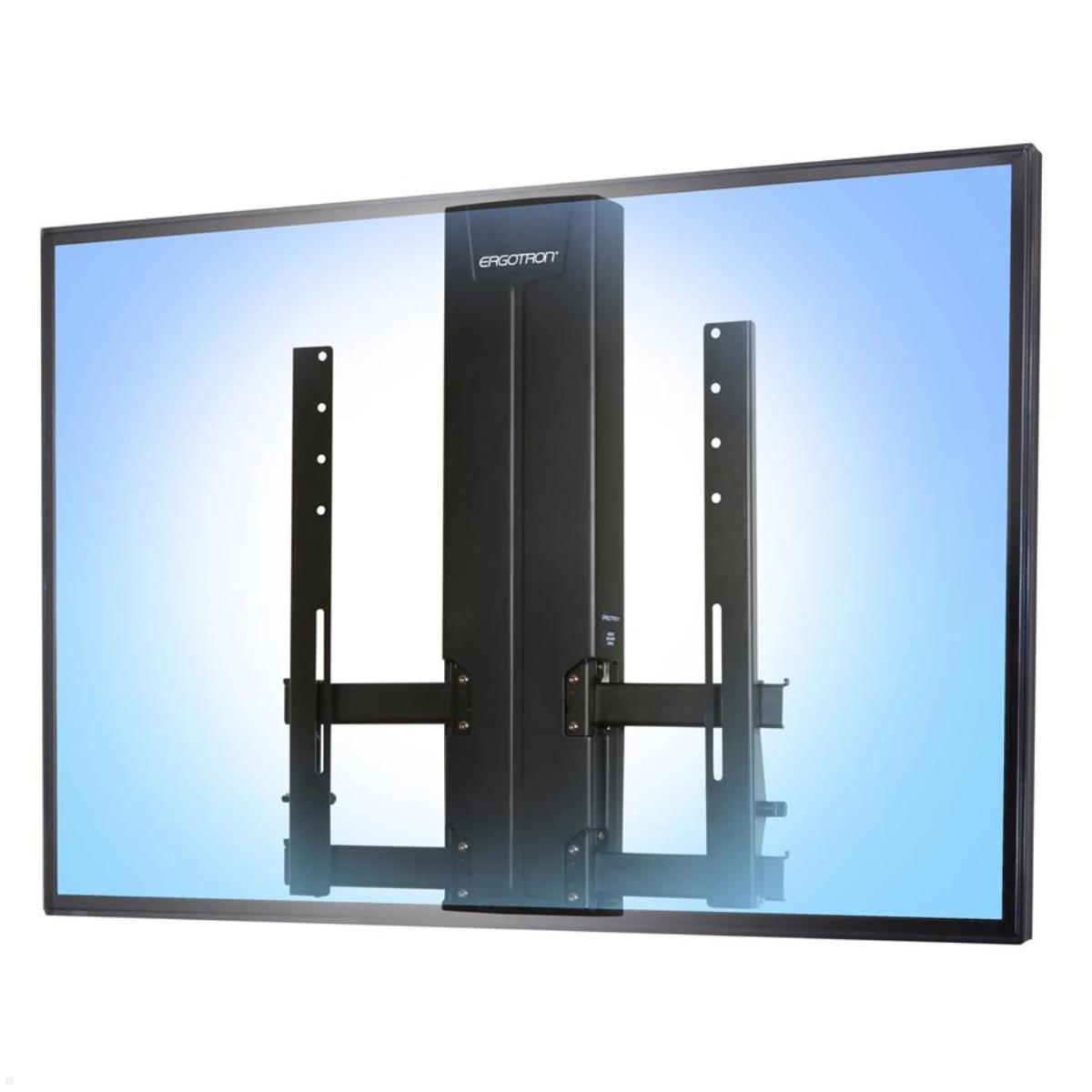
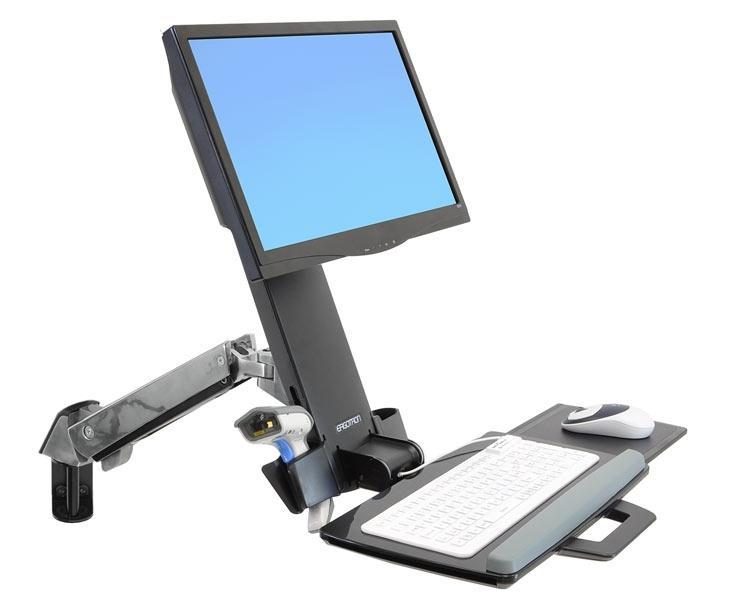
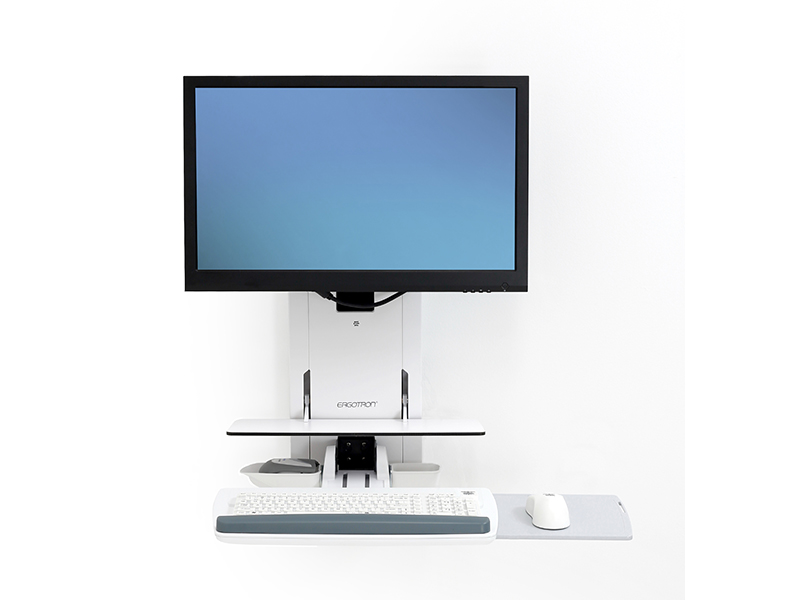
Height-adjustable wall mounts allow the screen position to be adapted to different users and working conditions.
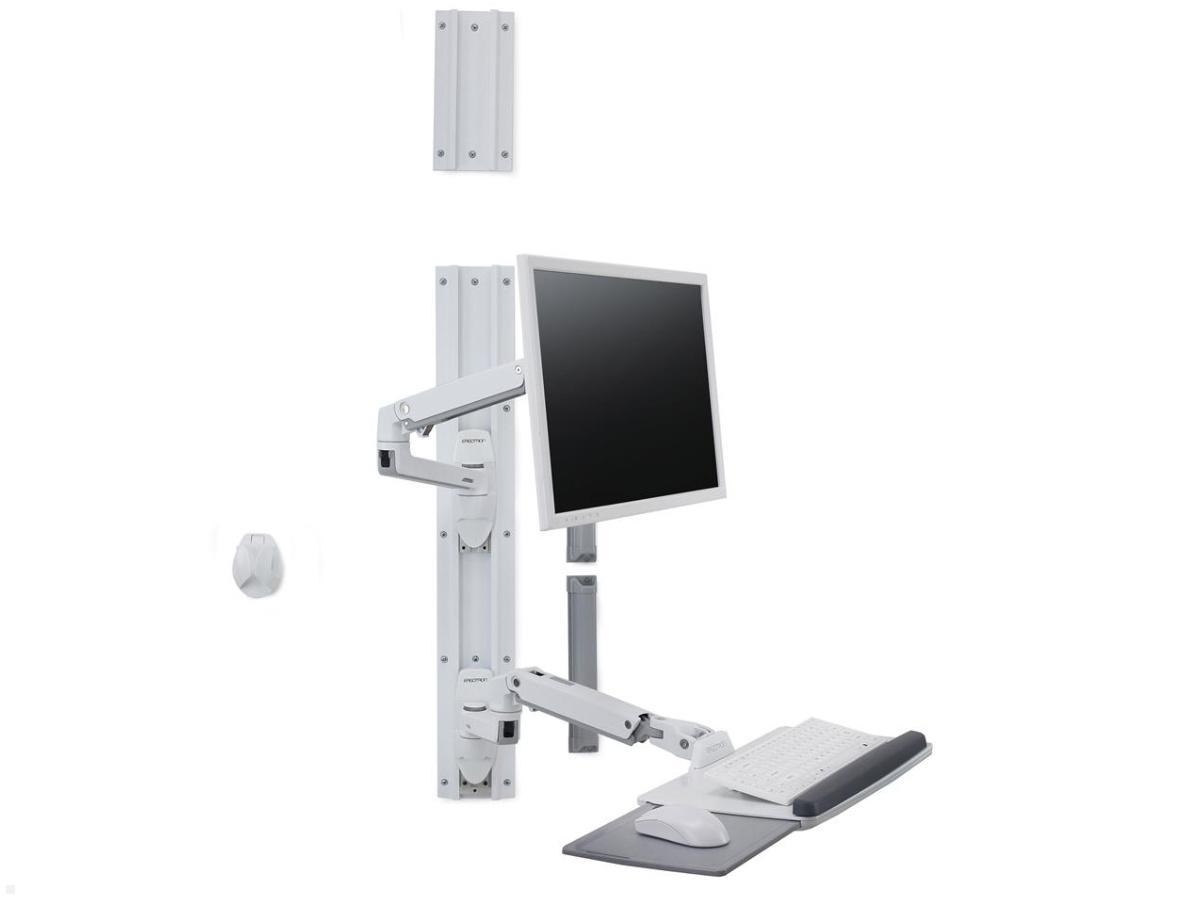
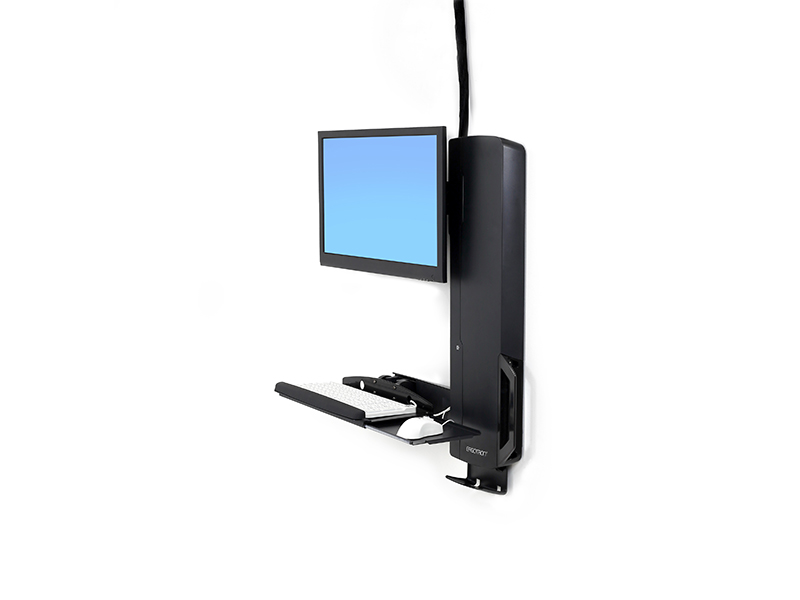
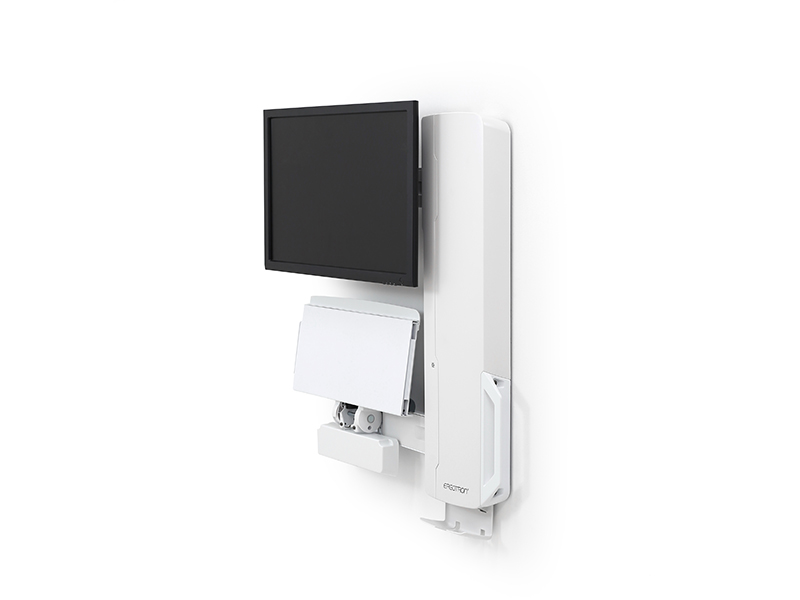
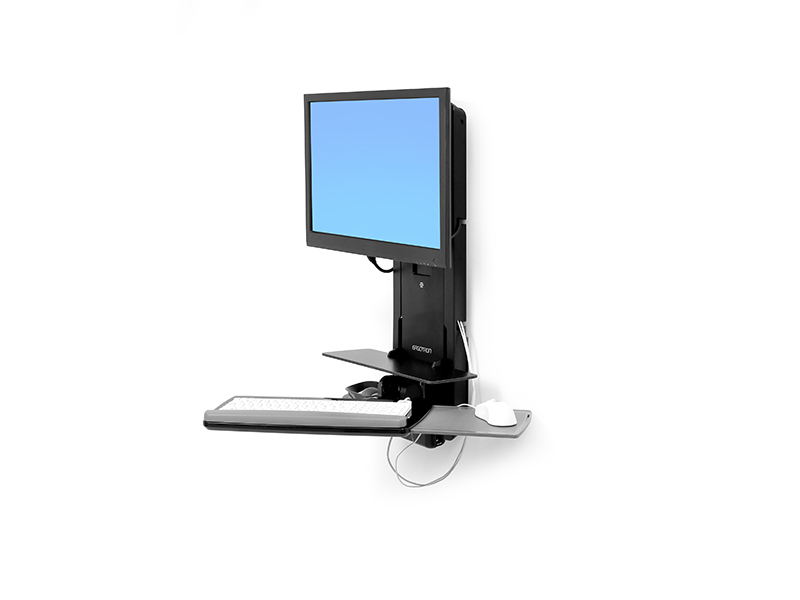
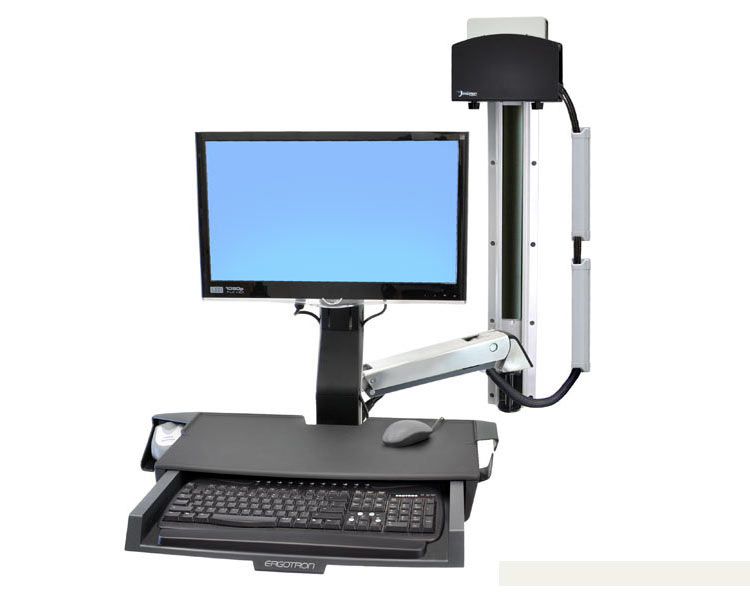
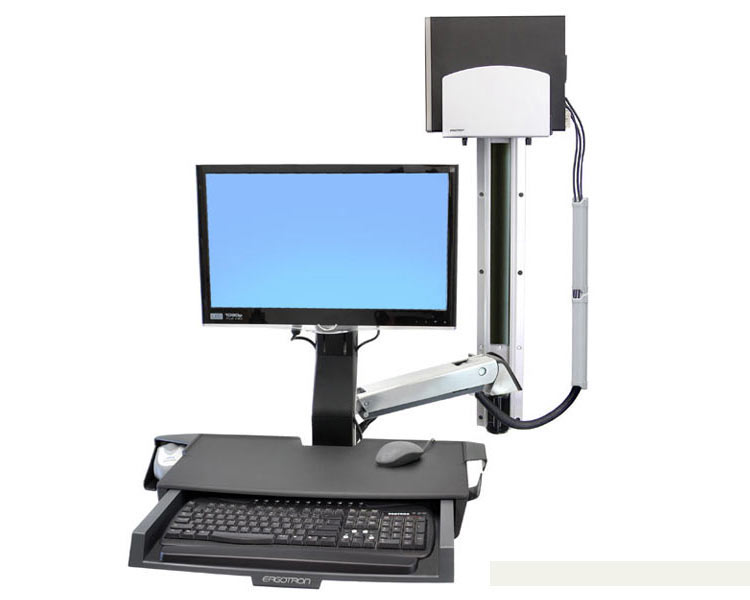
Depending on the system, height adjustment may be provided by an articulated monitor arm or a dedicated supporting structure. Selected solutions offer an extended adjustment range for workstations used in both seated and standing positions.
Adjustment can support flexible workstation use. However, not every height-adjustable wall mount is suitable for a complete transition between sitting and standing.
The required adjustment range must therefore be checked against the intended application before purchase.
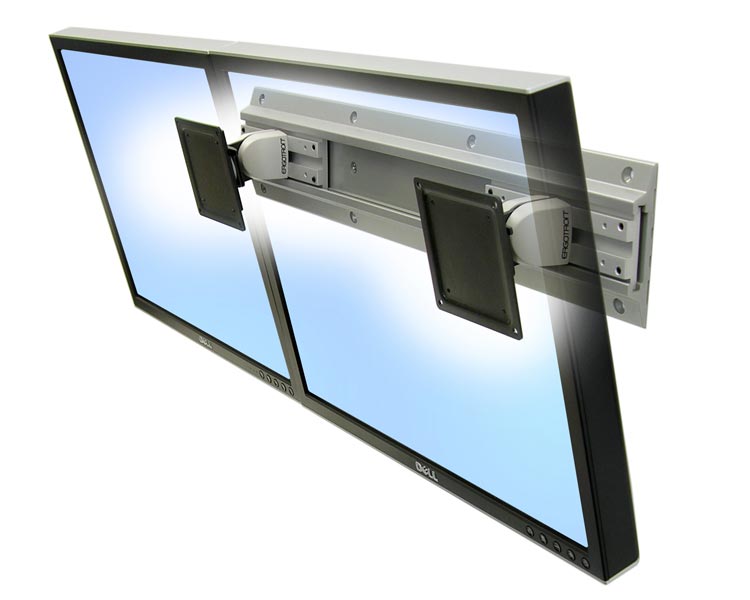
Wall mounts for two monitors
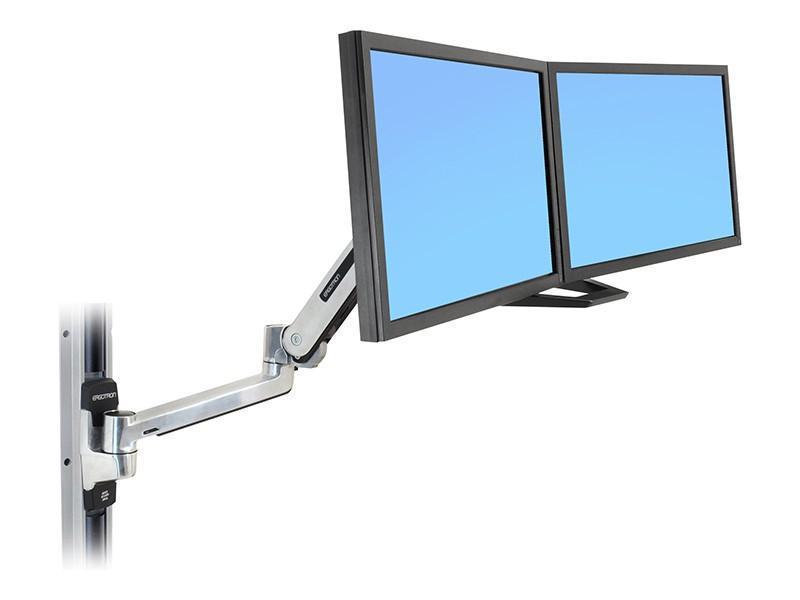
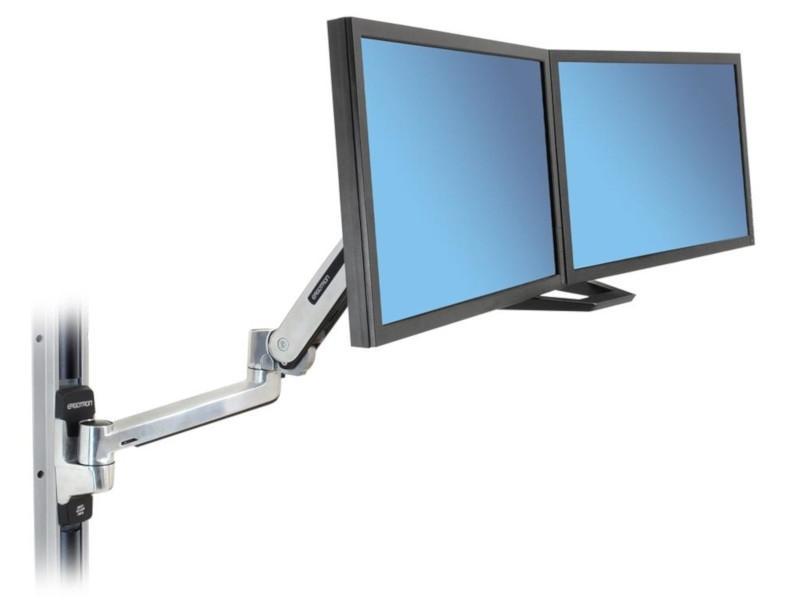
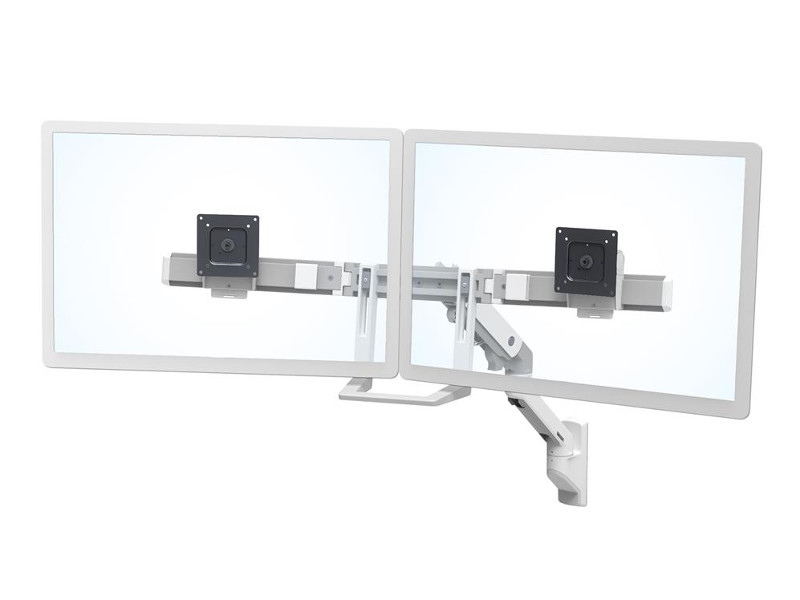
Suitable dual-monitor wall mounts can be used for workstations with two displays. They allow multiple screens to be attached using a shared or appropriately combined mounting structure.
Depending on the configuration, monitors can be positioned side by side and adjusted within their supported movement ranges.
Dual-monitor wall mounts can be suitable for offices, technical applications and environments where several programmes need to remain visible simultaneously.
Supported display dimensions, permitted load and available wall space are important considerations.
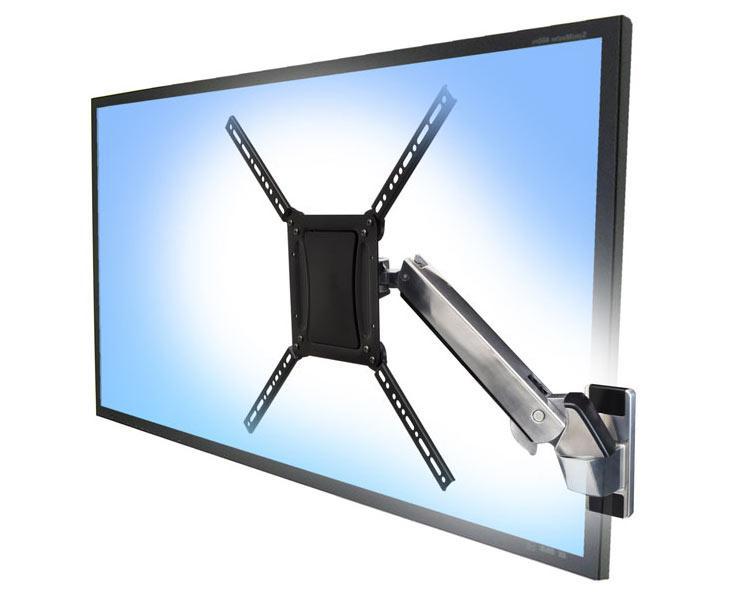
Wall mounting for large and heavy monitors
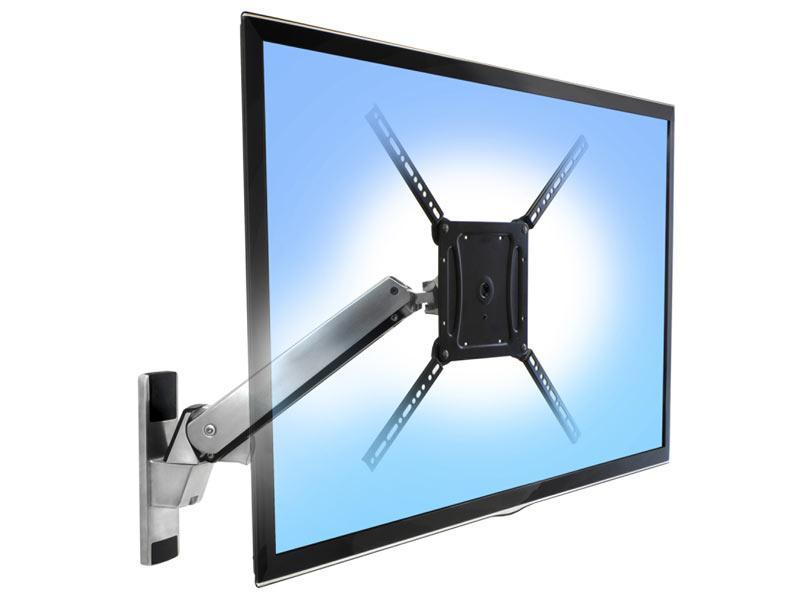
Large displays and particularly heavy screens place increased demands on mounting equipment. Screen dimensions and centre of gravity may be important alongside monitor weight.
A suitable mounting system must be explicitly compatible with the display. This is particularly important for large curved and ultrawide monitors.
The mount's permitted load must not be exceeded. The supporting wall must also be capable of safely carrying the forces involved.
Safe installation and cable management
Before installation, the wall must be checked for suitability and sufficient load-bearing capacity. Mounting hardware must be appropriate for the wall material and comply with the manufacturer's instructions.
Articulated monitor arms can generate additional forces when extended or swivelled. These forces must be considered alongside the weight of the display.
Suitable cable management helps keep the installation organised. Power and signal cables must have sufficient slack to prevent tension during monitor movement.
Which Ergotron monitor wall mount is suitable?
Selection should begin by checking monitor weight, screen dimensions and VESA mounting pattern against the mount's technical specifications. The next step is to determine whether a fixed, tilting, swivelling or height-adjustable solution is required.
Available wall space, the desired movement range and the condition of the supporting wall are additional considerations.
Ergotron monitor wall mounts provide different ways to install displays efficiently and flexibly, ranging from compact mounting solutions to articulated monitor arms for demanding workstations.
This website uses cookies to ensure the best experience possible. More information...